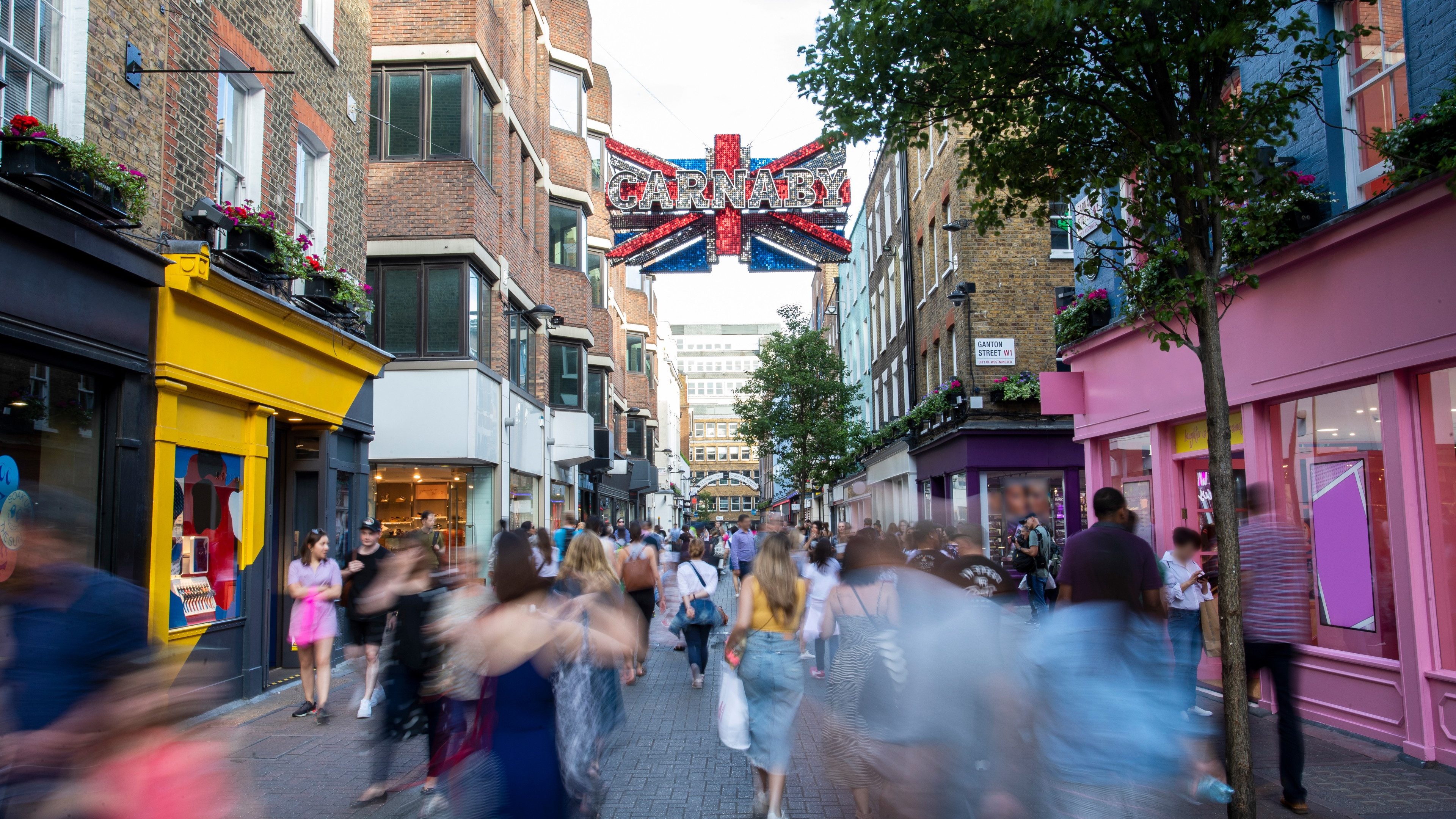
Retail is less popular with investors than e-commerce. However, it now appears to be outperforming the office sector for the first time since 2016. This is explained by a polarisation in the changing retail sector which is gradually producing winners.
Disruptions caused by the growth of e-commerce have led to retail falling out of favour among investors in recent years. Against the backdrop of the pandemic and the subsequent increase in e-commerce, it is rather surprising that, according to MSCI data, retail outperformed offices in 2021 for the first time since 2016 (14.6% vs. 5.1%). However, a closer look reveals a more nuanced picture. Speciality shopping malls and supermarkets performed best with 24.9% and 14.7% respectively. The resilience of supermarkets as indispensable retail stores with lower online penetration is understandable. More interesting are the strong speciality shopping malls, driven by investor demand. In the second half of 2021, yield compression had a positive impact on capital values at 14.8%.
Why are speciality shopping malls so attractive?
Our thematic research unit has uncovered the reasons why speciality shopping malls are so attractive: robust retail locations offer convenience, value for money, experience or ideally a mixture of these. The success of speciality shopping malls is in line with consumers’ desire for convenience and value for money. In addition, there is an increasing demand for drive-through restaurants. Footfall in centres with food or discounter anchors is robust. Vacancy rates are below the average for the retail sector and operators are expanding. Low-cost retail chains such as Aldi, B&M and Home Bargains are among the most active. In addition, speciality shopping malls are likely to benefit from disruptions in the sector, including the growth of both e-commerce and “quick commerce”, where retail is competing on delivery times.

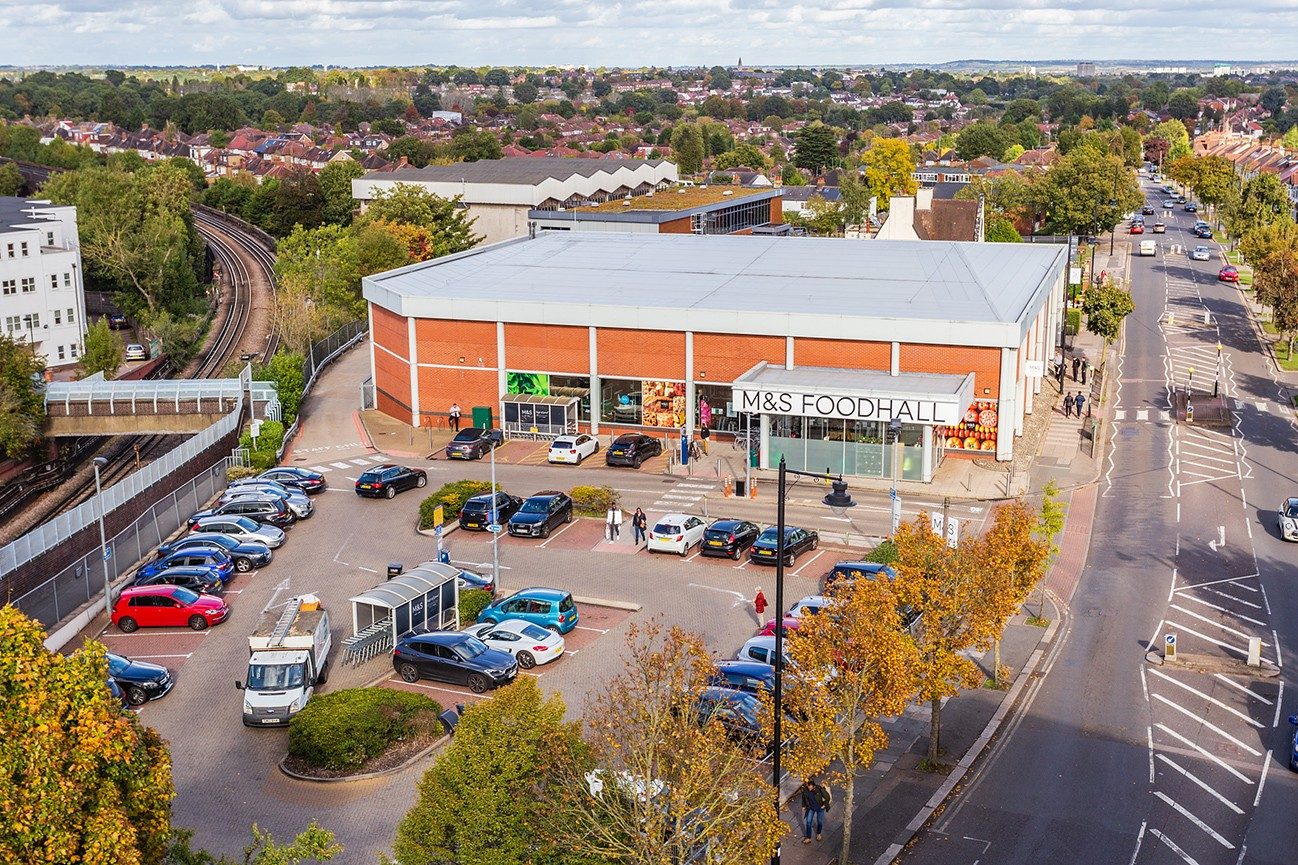
Urban convenience retail is expected to play a role in Q-commerce. City: Southgate
E-commerce is exerting a dual positive impact. Firstly, speciality shopping malls are used for online processing, as access to convenient parking spaces supports “click & collect” and, thanks to larger units, shops can become sub-stores for last-mile delivery. Secondly, speciality shopping malls in densely populated locations can be converted to offer a mix of retail and city logistics units. With quick commerce, or q-commerce, goods are delivered within one hour of ordering. This requires the storage of products close to end-consumers. Speciality shopping malls in urban areas are well suited to serve as such pseudo warehouses. This trend is also increasing the attractiveness of other convenience retailers. Local small grocery stores in well-connected locations will thus also be able to hold their own.
What are the risks involved in investing?
Possible pitfalls for investors still remain. Speciality shopping malls are also experiencing increasing polarisation. Location, including catchment area and accessibility, remains a crucial factor. When repositioning, the centres must meet the city logistics needs of the users, for example with regard to the depth of the yard and loading configuration. Current rents are also critical as they have been rebased in many cases, and overrenting is still widespread. Nevertheless, for investors who understand how disruptions affect user demand in this sector, there are profit opportunities in the changing retail sector.
Author: Frances Spence, Director, Research, Strategy and Risk, Mayfair Capital
Find out more here about the real estate use classes in which Swiss Life Asset Managers is invested.