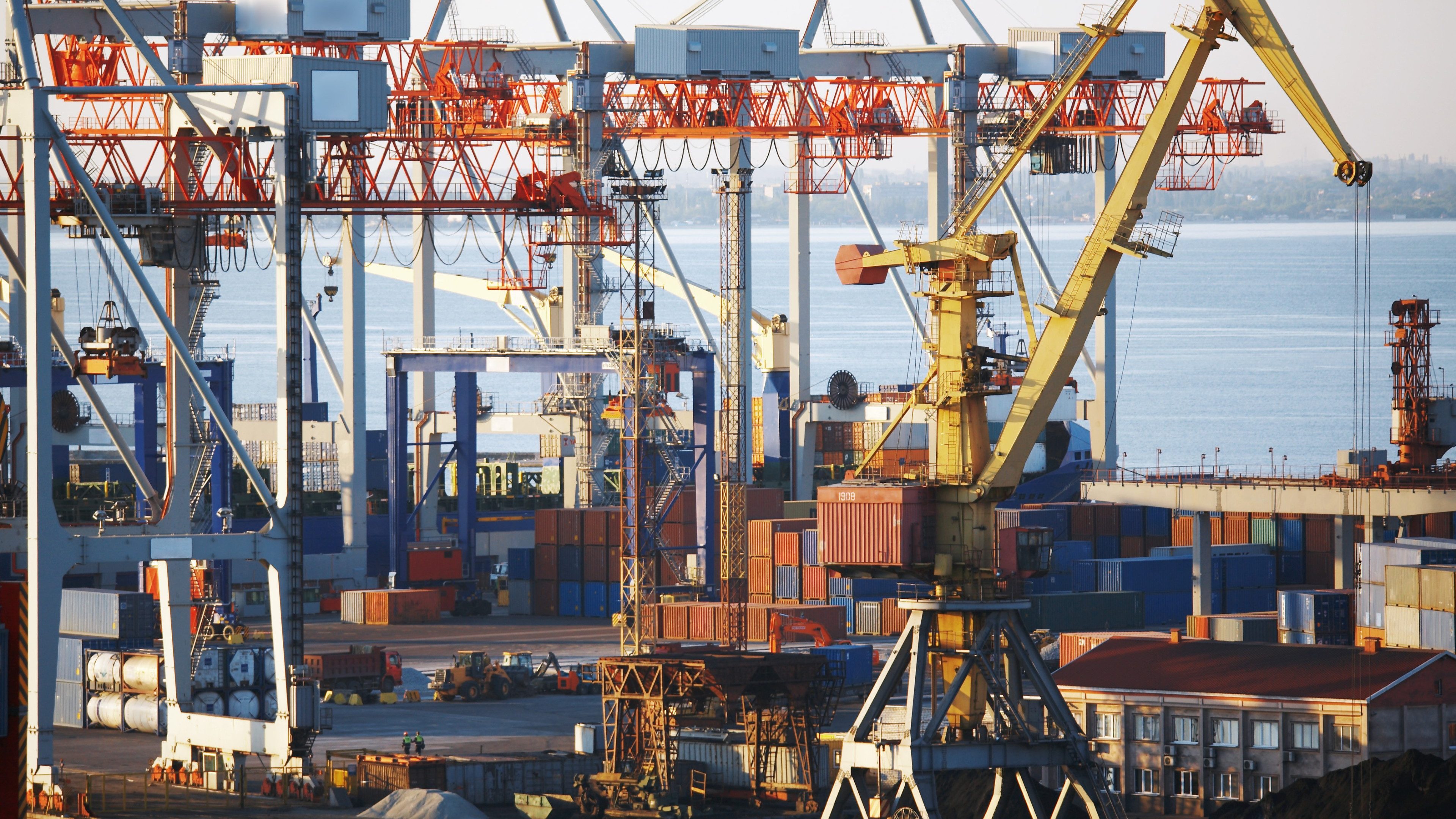
Infrastructure plays a key role in the economic productivity of a society. However, state institutions often lack the money for such investments. Private capital can cover the financing gaps. At the same time, infrastructure debt offers institutional investors the opportunity to achieve attractive returns.
Due to the tense situation in the public sector, large infrastructure projects also require alternative sources of financing. However, investments in infrastructure are often strictly regulated, require a government counterparty, or are entirely subject to public control. This regulatory framework was eased a few years ago by the European finance ministers and supervisory authorities. More favourable equity treatment makes it easier for insurers to access the infrastructure asset class and to participate in financing the real economy. This makes infrastructure debt a lower-cost choice than comparable traditional bonds, especially for investors with long liabilities, such as insurance companies and pension funds.
Debt securities with attractive long-term returns
Infrastructure debt is considered to be a resilient asset class and, thanks to the characteristics of its underlyings, provides predictable revenues. Infrastructure projects have a rapidly growing need for equipment and therefore financing. They are therefore set up on a long-term basis. Operators generally benefit from contractual guarantees and concessions over decades. Furthermore, studies by Moody's and S&P on default rates in the debt financing of infrastructure projects in the past show an attractive long-term return as well as a relatively low risk.
Thanks to its profile, the performance of infrastructure debt during the coronavirus pandemic has proved resilient so far. Investing in infrastructure remains attractive even against the backdrop of monetary tightening in Europe and potential economic uncertainties. The underlying assets are mainly core investments for day-to-day use, which are most likely to be spared in the event of an economic crisis.
A professional management team with long-standing relationships
Infrastructure debt requires long-term investments. As a result, Swiss Life Asset Managers follows a buy-and-hold-to-maturity approach where assets are held until full repayment. It is important to select assets that are distributed geographically and across different sectors. The effective exploitation of this asset class also requires good knowledge of the entire infrastructure ecosystem. The Swiss Life Asset Managers management team leverages its long-standing relationships with various stakeholders such as shareholders, banks, public institutions, operators and advisors in order to obtain direct access to investment opportunities.
Author: Ognjen Kuzman, Senior Product Specialist Fixed Income, Swiss Life Asset Managers
Find out more about our investment philosophy as an asset manager with expertise in the management of institutional investments.