
Decarbonisation is not just about cutting emissions. Across 17 European assets, a targeted strategy shows how the right investment can support carbon reduction while protecting asset value and strengthening occupancy.
In a rapidly evolving regulatory and market environment, decarbonisation is no longer solely an environmental objective. It has become a critical lever for managing transition risks and supporting long-term asset resilience.
At Swiss Life Asset Managers, we recently supported the implementation of a decarbonisation roadmap for
a pan-European commercial real estate portfolio comprising 17 assets located across Germany, Spain, the United Kingdom and the Netherlands.
The investor's key objective was clear: identify a realistic pathway to reduce carbon emissions while ensuring that investments remained economically relevant and aligned with the long-term value creation strategy of the fund.
How to build a robust decarbonisation roadmap
The first step was to establish a reliable baseline for energy consumption and carbon emissions across
the portfolio. Accurate data is essential to understand transition risks and prioritise actions effectively.
Based on previously completed climate audits, our teams assessed a wide range of decarbonisation measures for each asset, evaluating their expected carbon savings, energy performance gains and how
much investment they would require.
Rather than focusing exclusively on emission reductions, we adopted a holistic approach that also considered financial returns and occupier expectations. Tenant needs were integrated into the analysis to support long-term relationships and increase the chance of lease renewal.
Two decarbonisation pathways were developed:
- An ambitious scenario without financial constraints;
- A financially optimised scenario balancing carbon reduction and return on investment.
Both scenarios were tested against recognised decarbonisation pathways, including alignment with the CRREM 1.5°C trajectory (Carbon Risk Real Estate Monitor, a widely used science-based decarbonisation framework for real estate). The analysis also evaluated the impact of future grid decarbonisation and used robust estimation methods to address data gaps
EUR 24.6 million investment projected to reduce carbon intensity by 27%
Across the portfolio, EUR 24.6 million was allocated to decarbonisation initiatives. These measures are expected to reduce carbon intensity by 27% by 2030 compared with 2023 levels. The chart below compares the portfolio’s projected carbon intensity with and without the decarbonisation plan against the CRREM 1.5°C pathway.
The projected decarbonisation of the portfolio
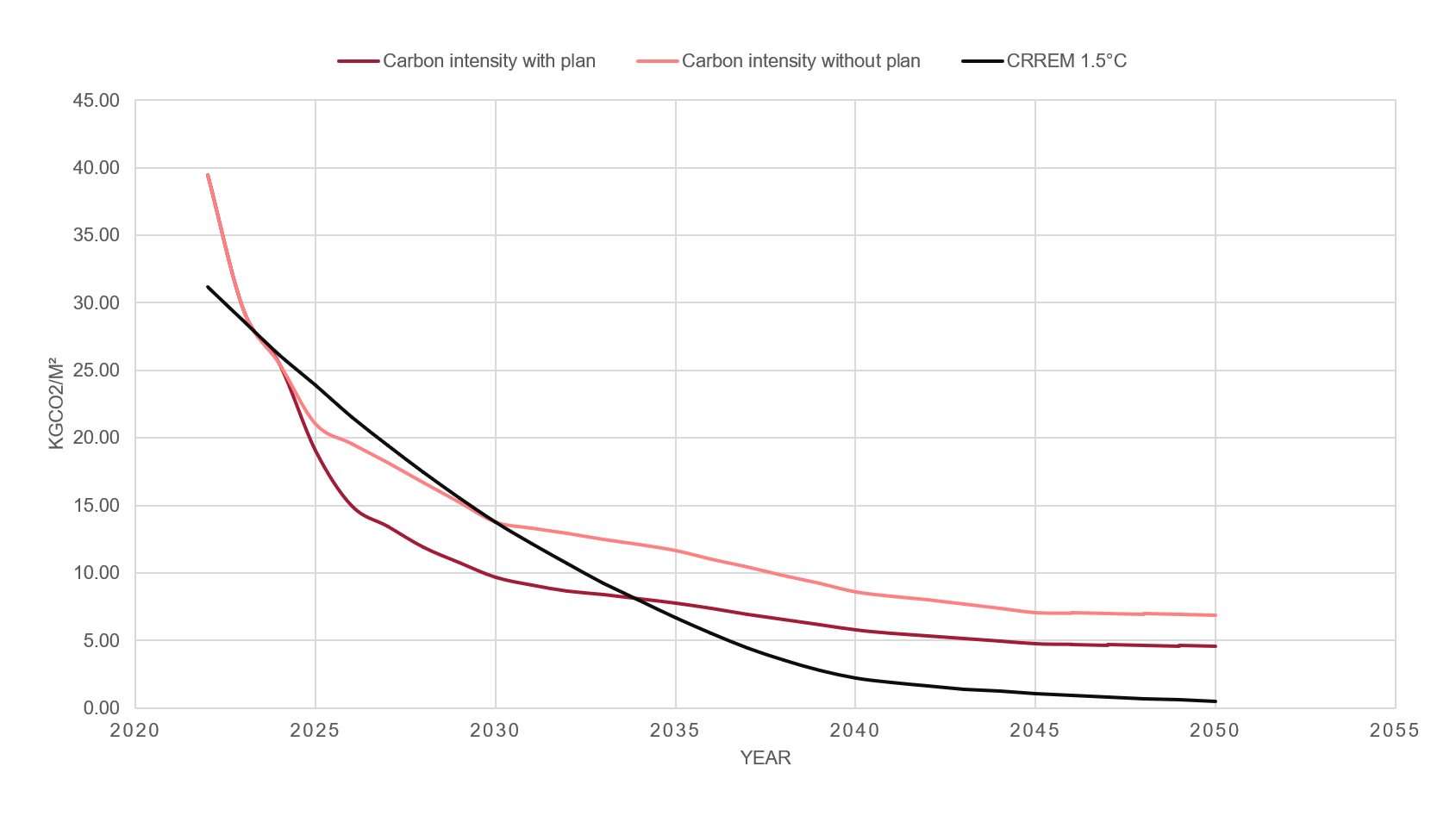
Carbon intensity is projected to decline without the plan due to the expected decarbonisation of the energy grid. The targeted measures lead to a further reduction. The scenario analysis suggested that, over the long term, these measures could also reduce transition and obsolescence risks and help limit potential value erosion.
The project was implemented alongside an extension of the leases of one of the portfolio's largest tenants until 2032, reinforcing occupancy security.
Amsterdam: where decarbonisation meets asset repositioning
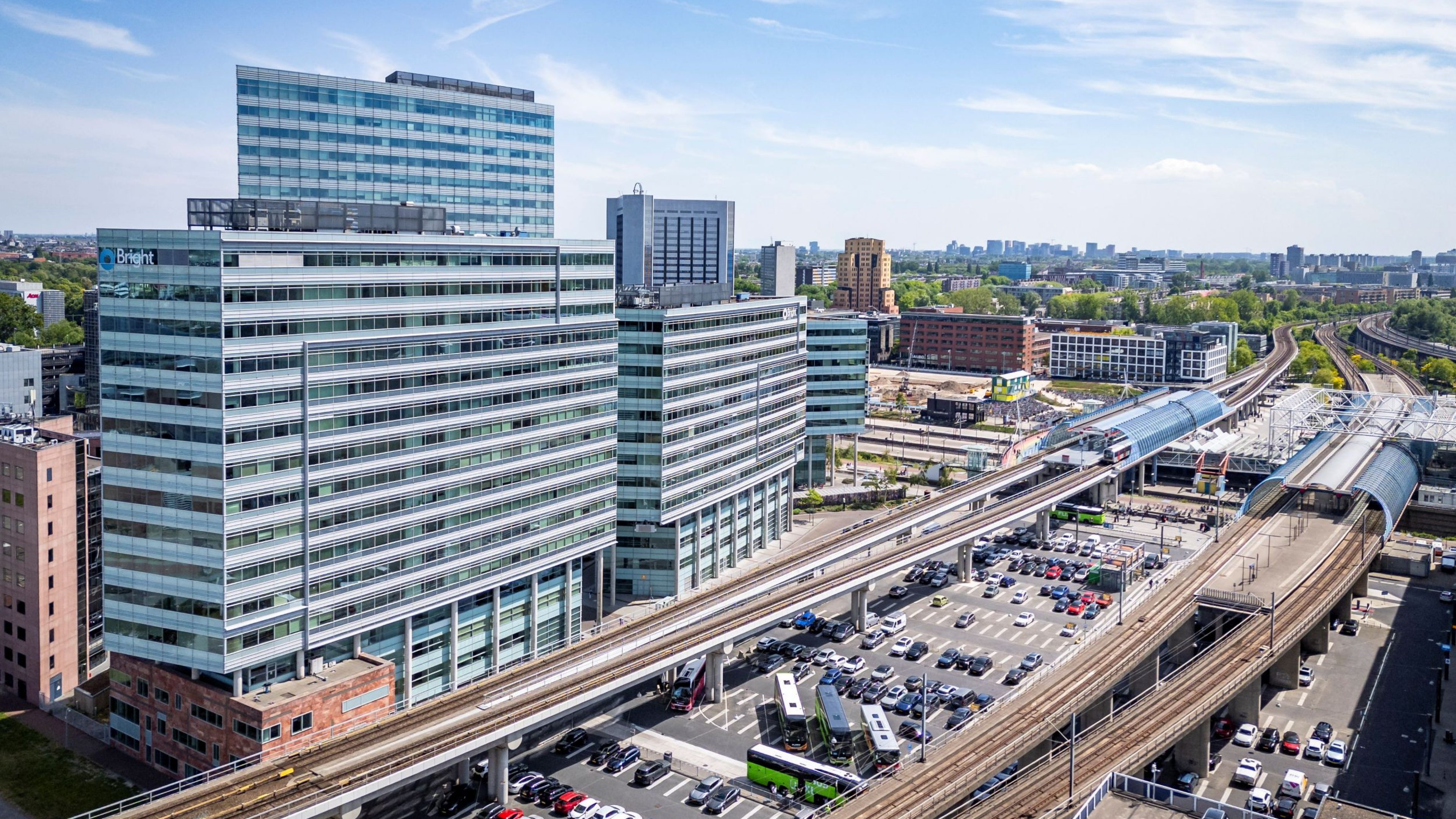
One asset illustrates particularly well the link between ESG and value creation. Located in Amsterdam, in an office district facing rising vacancy risks and increasing competition from newer, higher-performing buildings, the asset became the focus of a major repositioning strategy. In exchange for a lease extension, a comprehensive energy renovation programme was launched, representing a EUR 14 million investment and accounting for more than half of the portfolio's total decarbonisation budget.
The works included the installation of photovoltaic panels, full LED lighting replacement, electrification of heating systems and improvements to outdoor spaces. Beyond reducing operational emissions, the project was designed to enhance the building's attractiveness, strengthen tenant commitment and improve the asset's long-term market positioning.
A closer look at Bright Offices in Amsterdam
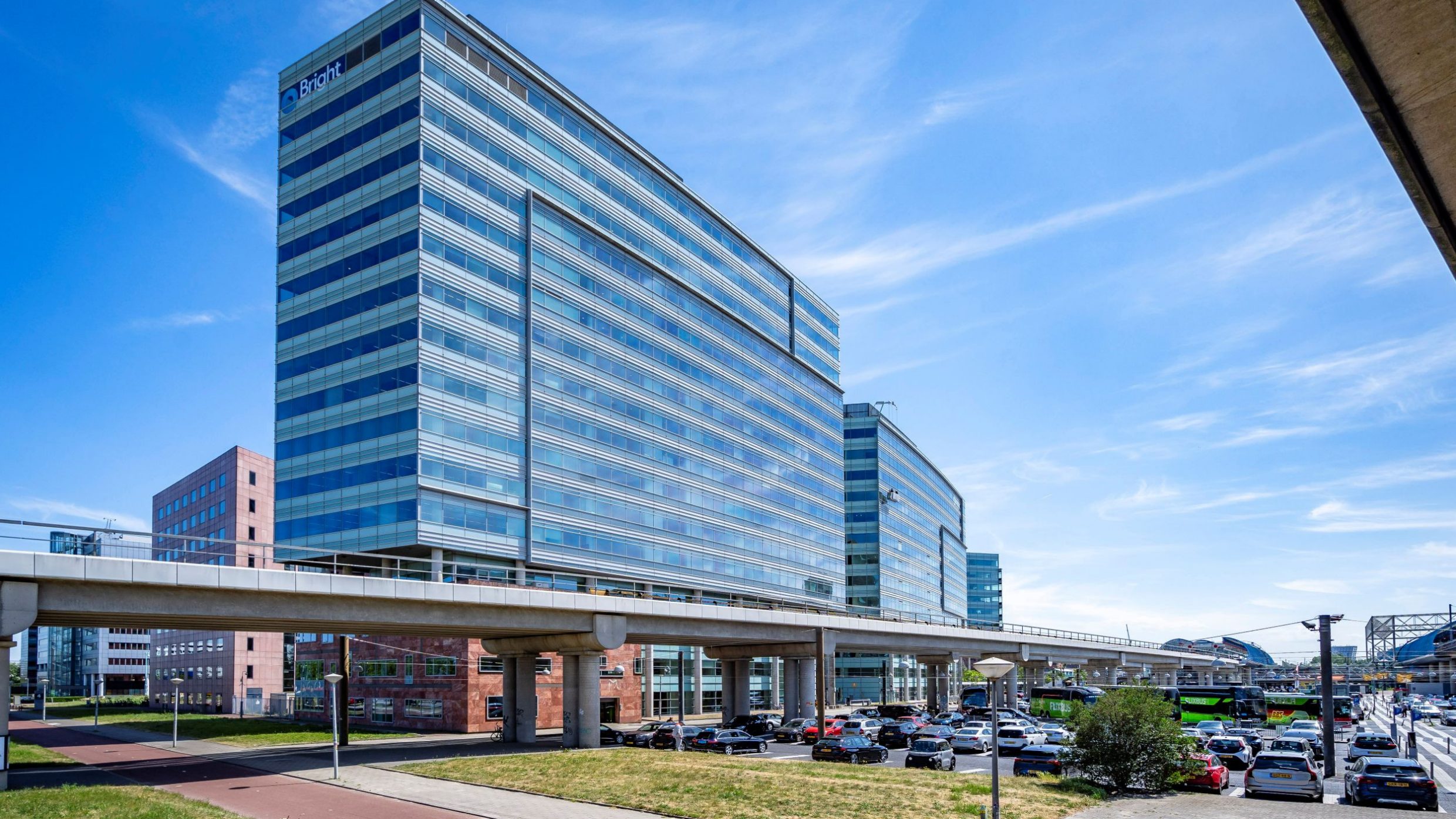
Impressions of Bright Offices in Amsterdam (photo credit: Top-Shot.nl)

Impressions of Bright Offices in Amsterdam (photo credit: Top-Shot.nl)
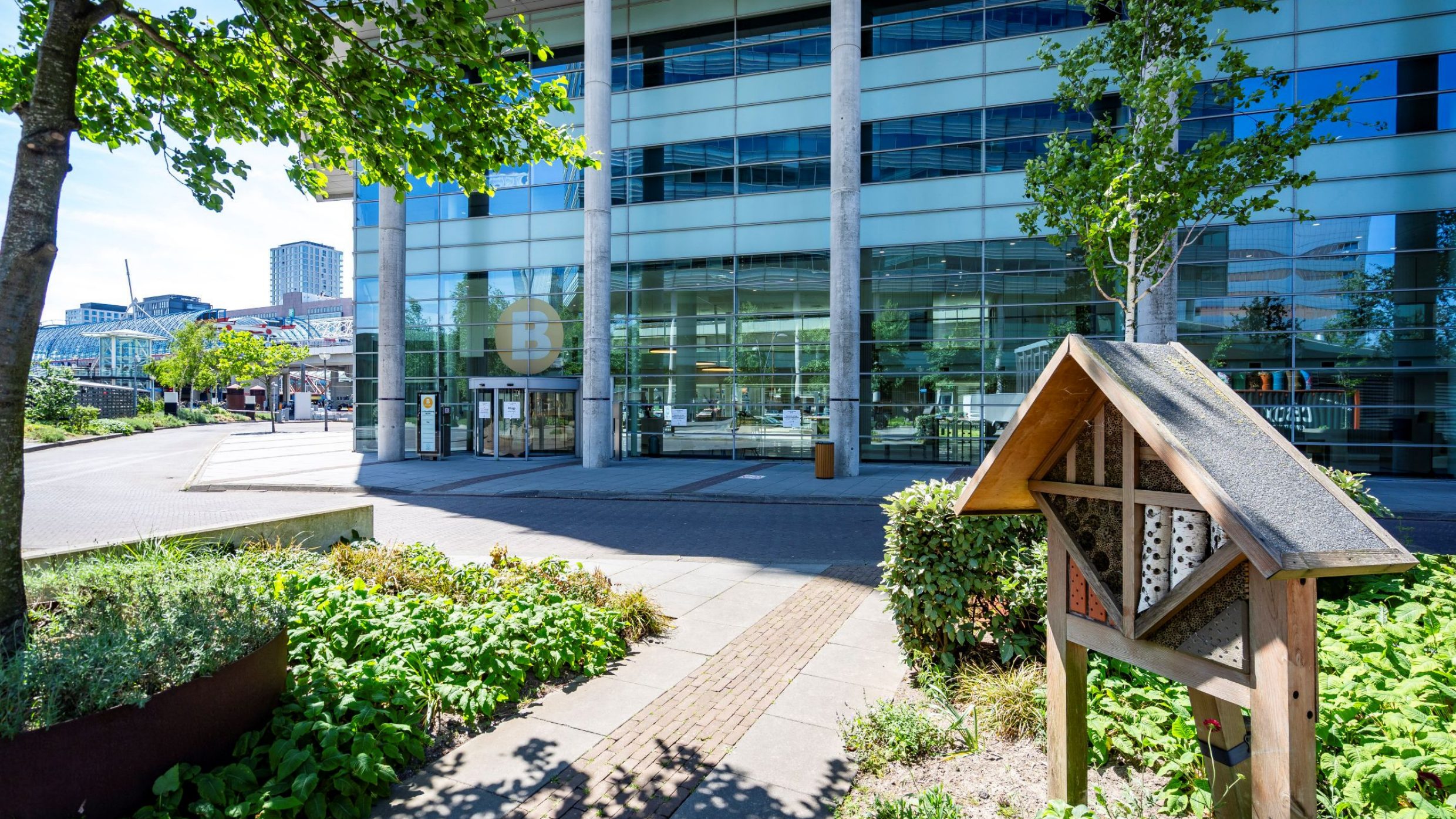
Impressions of Bright Offices in Amsterdam (photo credit: Top-Shot.nl)
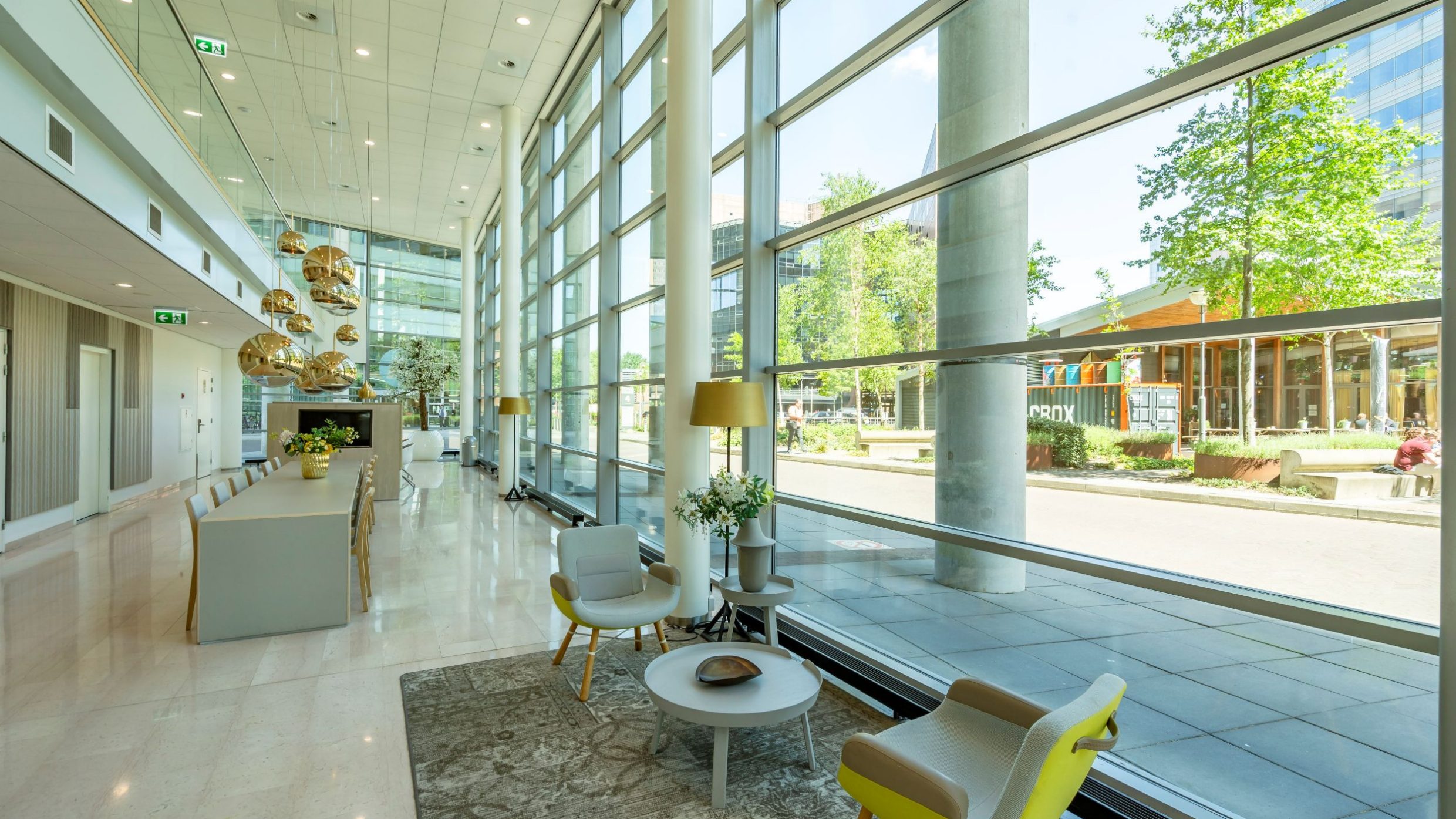
Impressions of Bright Offices in Amsterdam (photo credit: Top-Shot.nl)
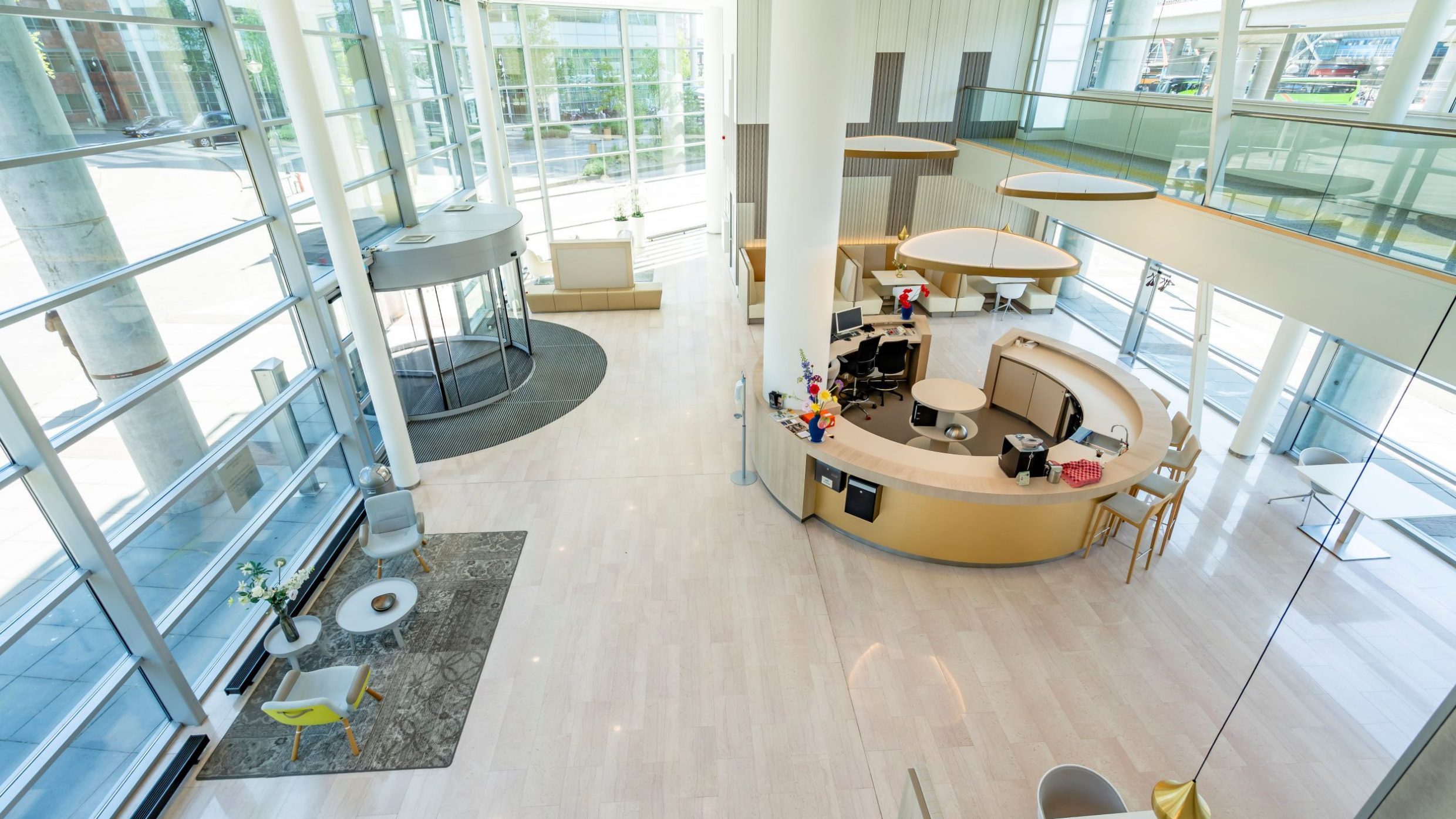
Impressions of Bright Offices in Amsterdam (photo credit: Top-Shot.nl)
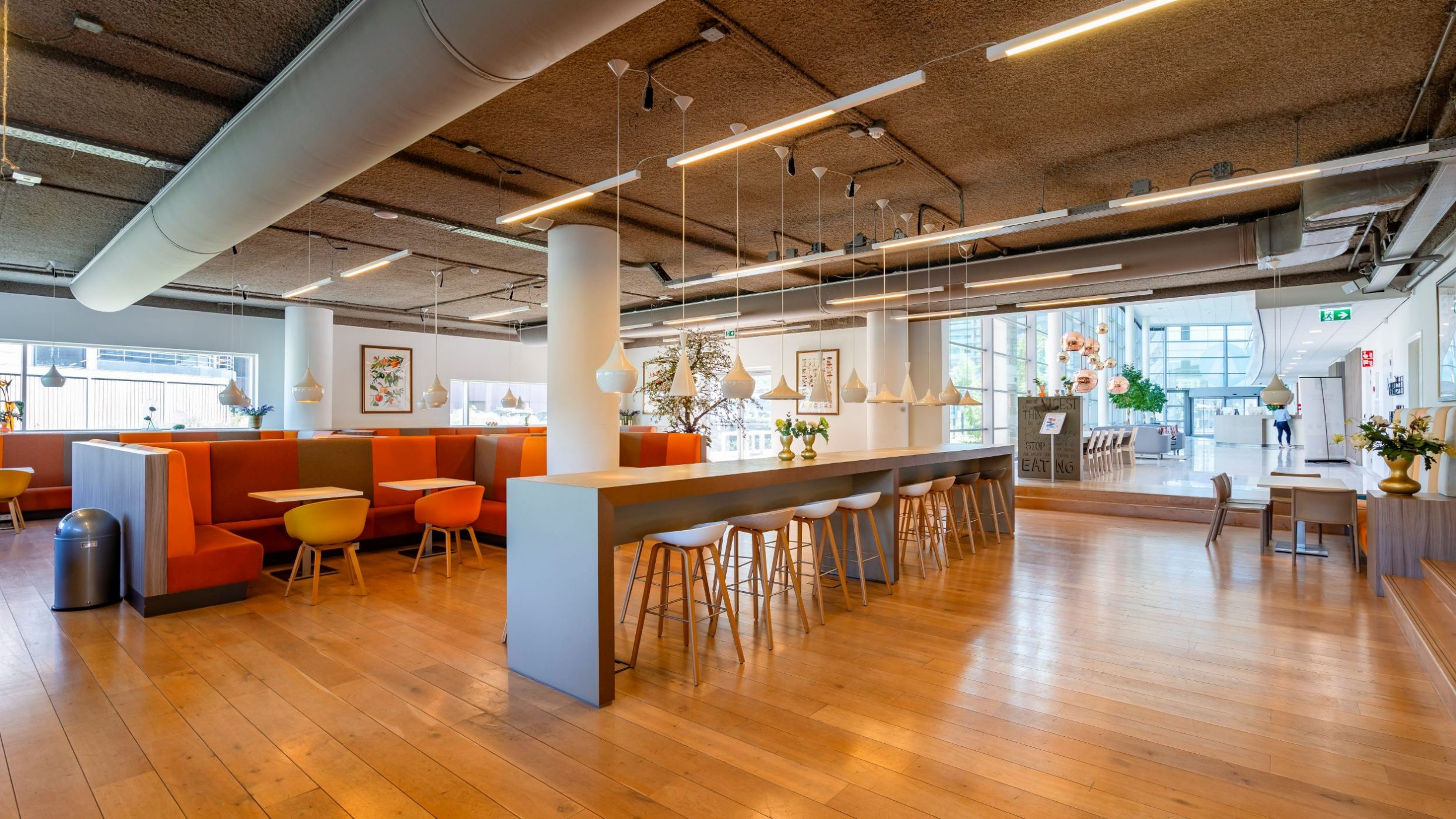
Impressions of Bright Offices in Amsterdam (photo credit: Top-Shot.nl)

Impressions of Bright Offices in Amsterdam (photo credit: Top-Shot.nl)
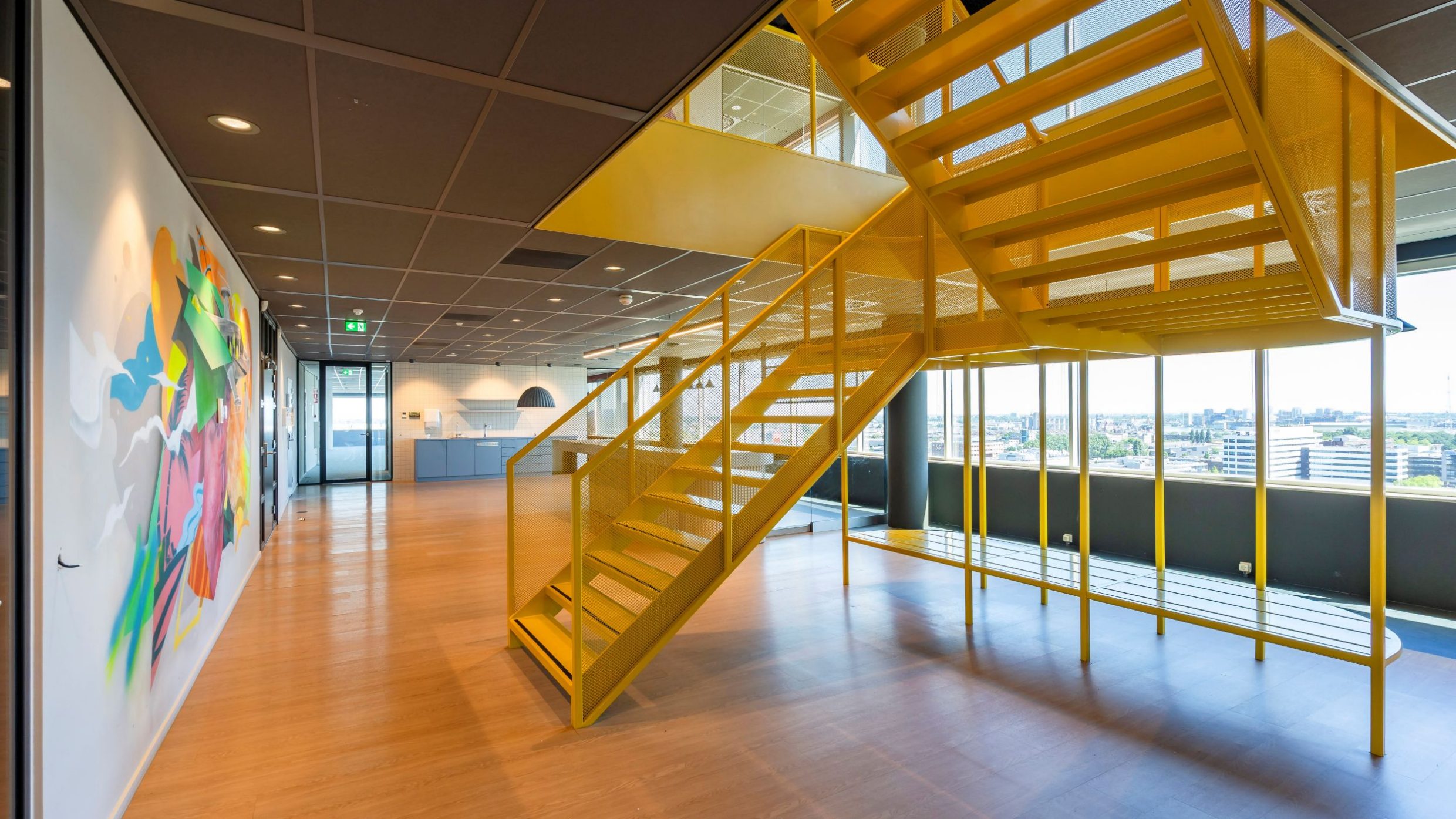
Impressions of Bright Offices in Amsterdam (photo credit: Top-Shot.nl)
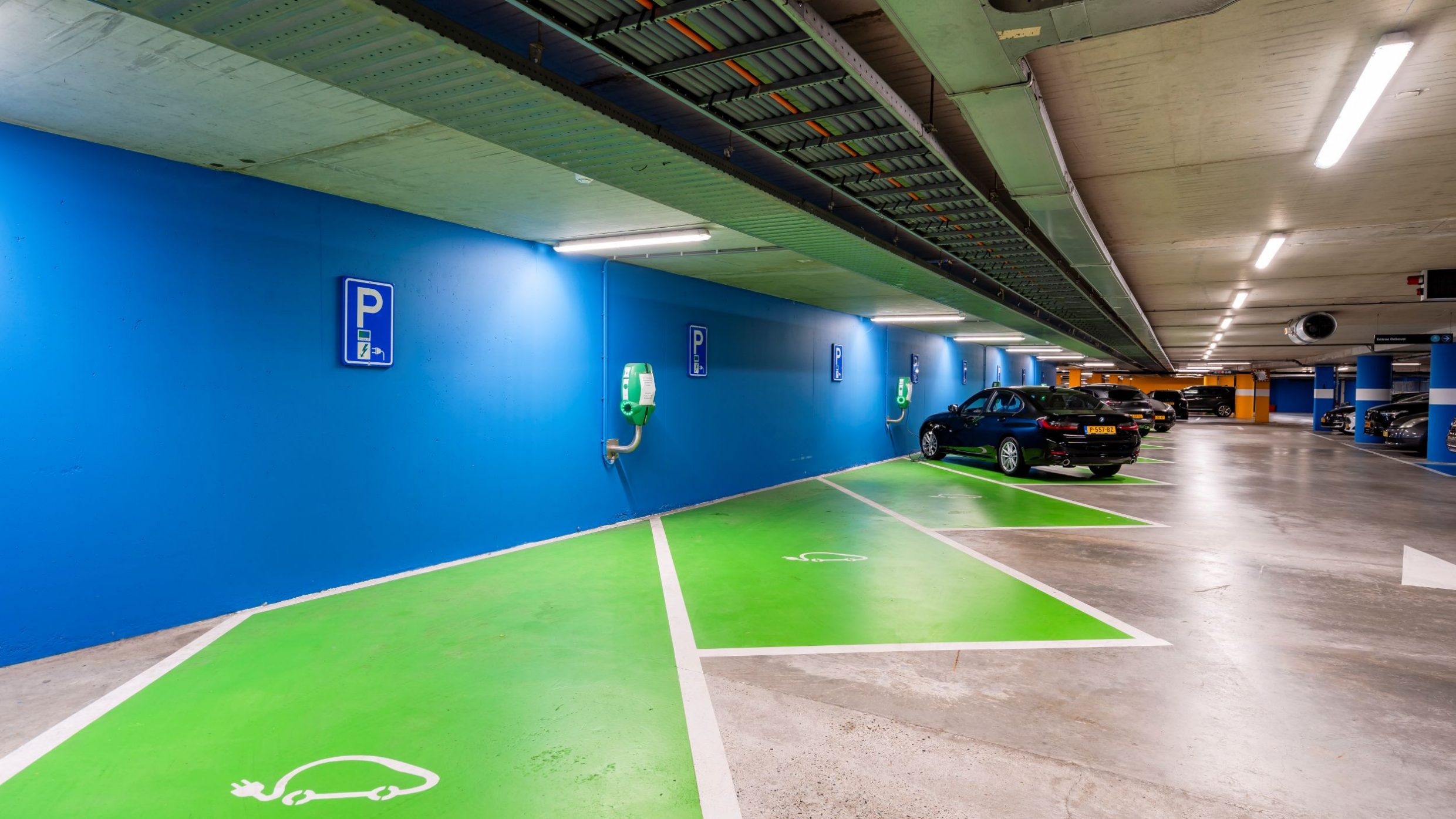
Impressions of Bright Offices in Amsterdam (photo credit: Top-Shot.nl)
Decarbonisation as part of long-term asset management
This project demonstrates that effective decarbonisation is not simply about reducing emissions. When supported by robust data, targeted investments and close dialogue with tenants and investors, it can become a powerful tool to support asset value protection and portfolio resilience enhancement.
At Swiss Life Asset Managers, we believe that the most successful ESG strategies are those that combine environmental ambition with financial discipline, creating long-term value for investors while supporting the transition towards a lower-carbon real estate sector.

Our ESG strategy
Our approach to sustainable finance goes beyond complying with current standards. Where possible, we aim to deliver tangible value through proprietary data insights, measurable climate actions and active engagement.