

The need for infrastructure is growing, yet long-term demand is often difficult to predict. Modular buildings show how infrastructure can be adapted more flexibly to changing requirements and open up new perspectives for investors.
Anyone planning to build a school today must not only take into account the current number of pupils but also estimate how many children will be in the classroom in ten or twenty years’ time.
Population growth and immigration are increasing the need for educational infrastructure in many places. Demand is focused on regions where new or affordable housing is being created. As a result, municipalities are expanding school capacity, even though long-term enrolment trends remain difficult to predict. Decisions made today therefore have consequences that extend far beyond current needs.
The same challenge can be observed across many areas of infrastructure. Whether in education, healthcare or public housing, there is an urgent need for additional infrastructure across numerous sectors, while future requirements remain uncertain. The key question is therefore not only how new capacity can be created and financed, but also how flexibly it can be adapted to changing circumstances over time.
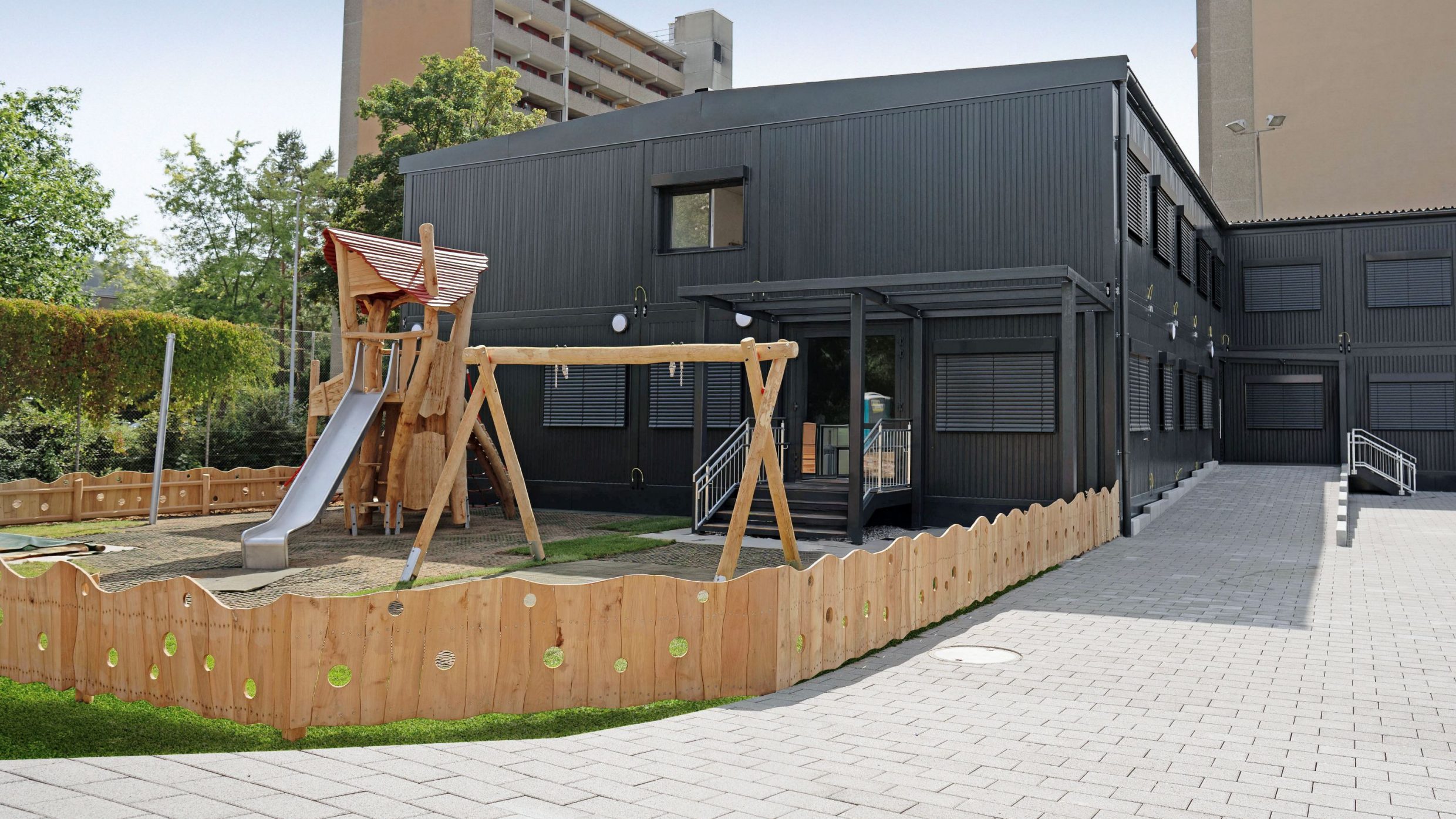
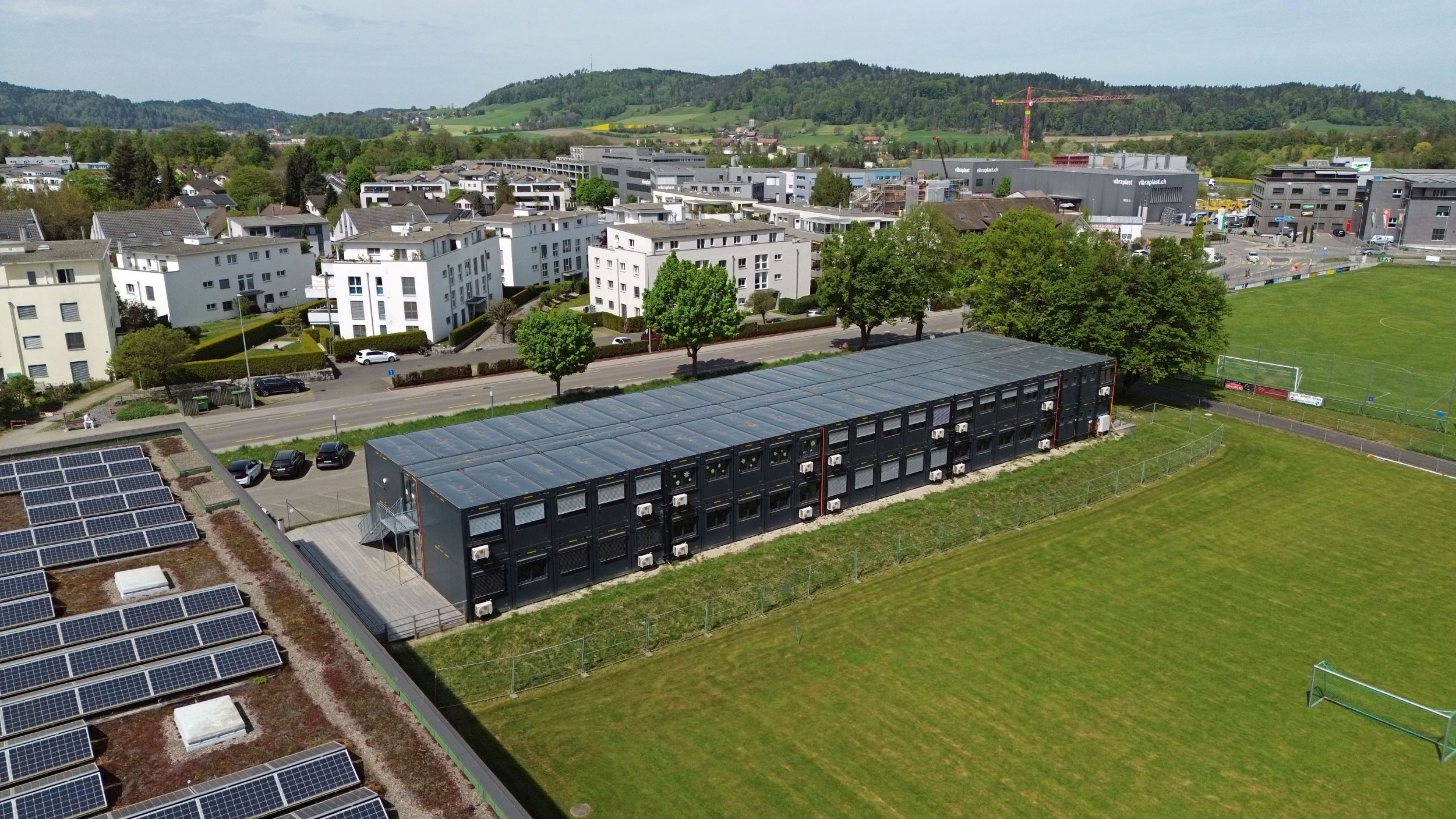
Modular temporary school facility in Rheinfelden, constructed by Condecta, a portfolio company of Swiss Life Asset Managers.
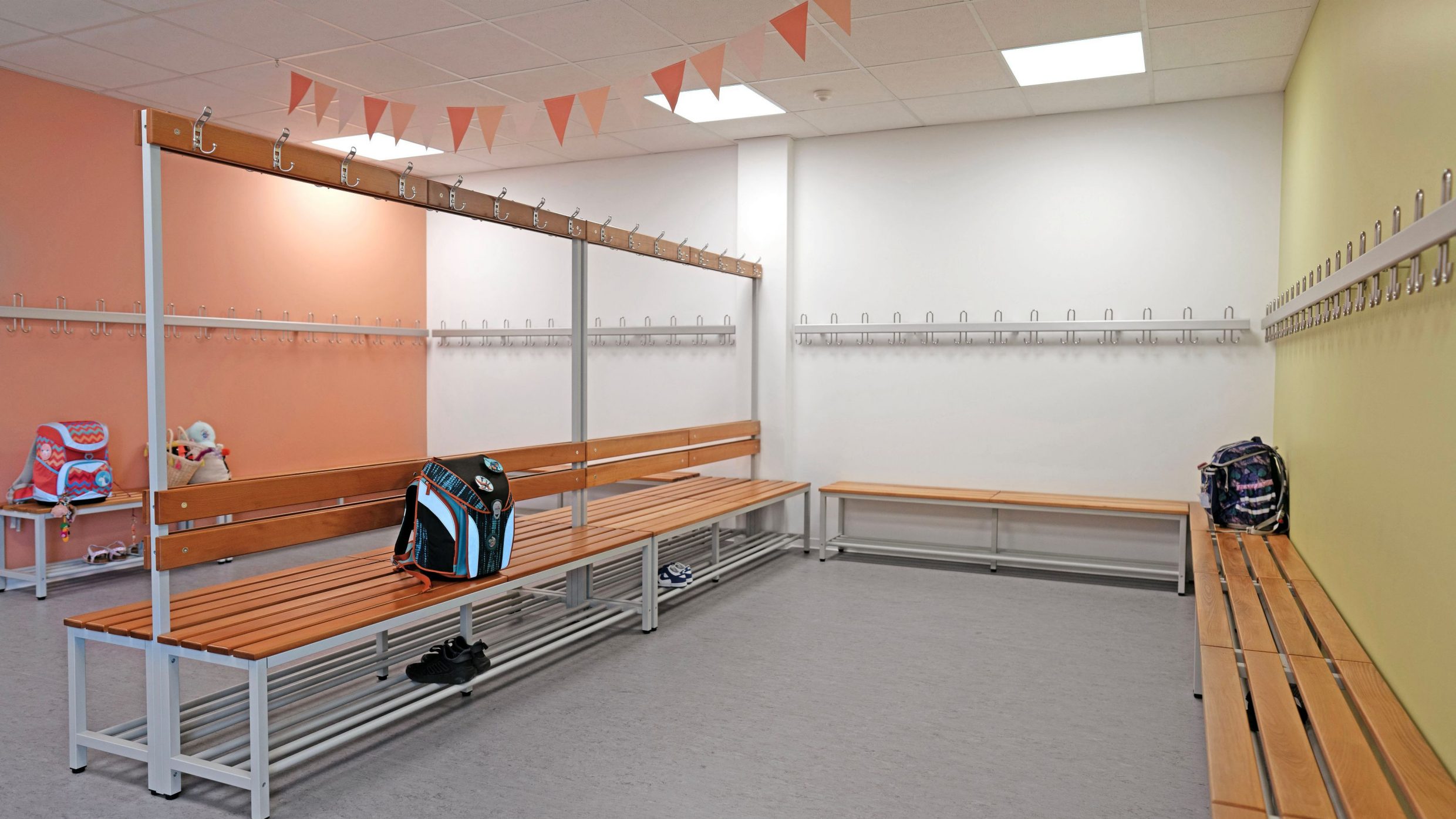
Modular temporary school facility in Rheinfelden, constructed by Condecta, a portfolio company of Swiss Life Asset Managers.
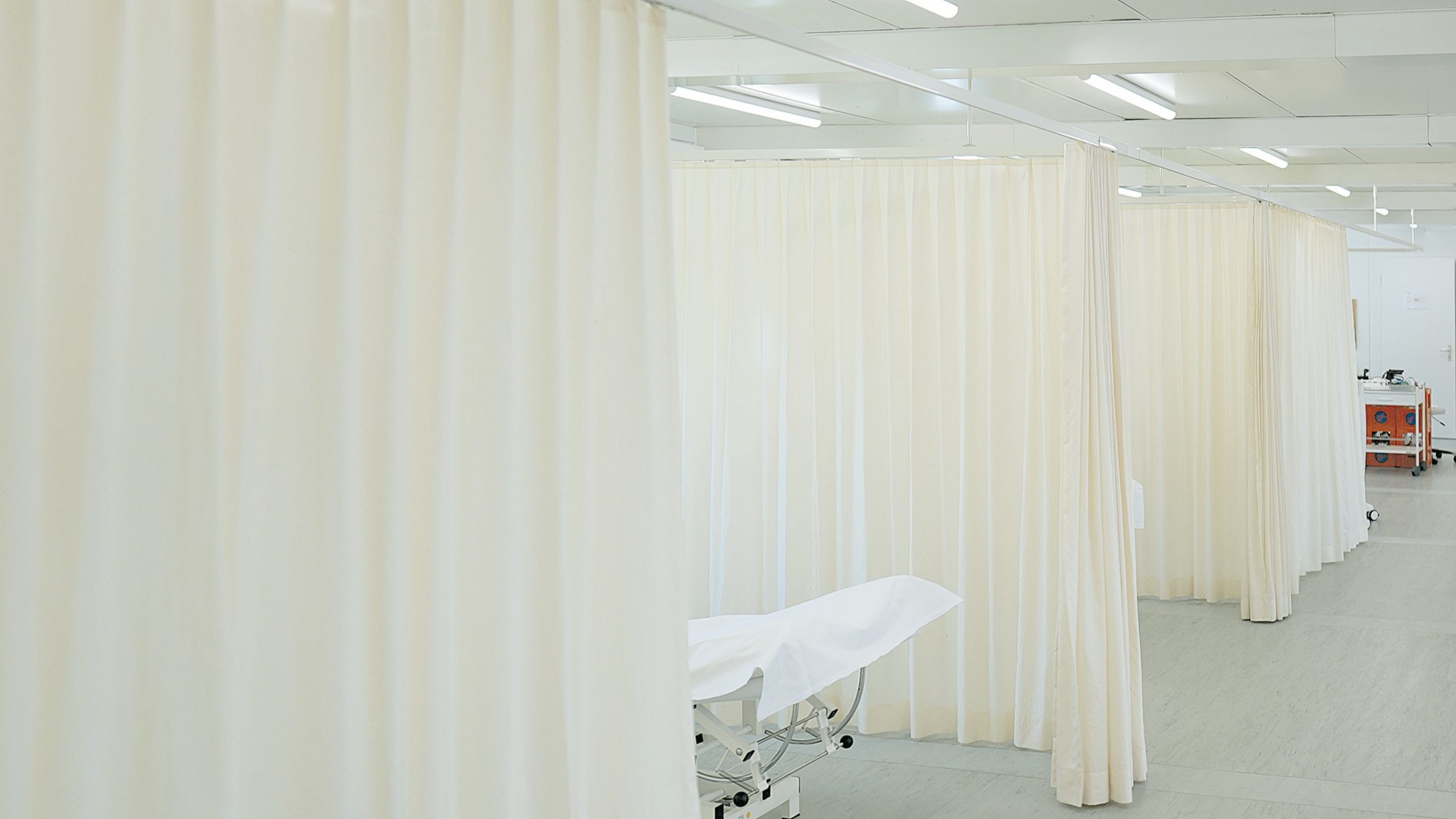
Modular therapy facilities for the Rheinburg Clinic in Walzenhausen, built by Condecta, a portfolio company of Swiss Life Asset Managers.
From construction project to industrial production
This is where modular construction can make a difference. Far removed from the simple container-based solutions often associated with temporary accommodation, modern modular buildings can meet the highest standards of design, functionality and comfort while remaining virtually indistinguishable from conventional structures.
Unlike traditional construction projects, key building components are prefabricated in an industrial setting and then assembled on site. This allows many work processes to run in parallel, in a standardised manner and independently of weather conditions, reducing project timelines by around 30%.
At the same time, depending on the project, cost savings of up to 20% can be achieved compared with other construction methods, particularly timber construction. The ability to repurpose, expand or return modules at the end of a lease term also reduces the risk of misallocating capital to infrastructure whose long-term utilisation remains uncertain.
Infrastructure resources as an alternative to ownership
The real innovation, however, extends beyond the construction method itself. While conventional buildings are typically designed for a specific location and a long-term need, modular solutions can be adapted, relocated or expanded over many years as requirements evolve.
Across numerous sectors, including software and mobility, ownership and usage have become increasingly decoupled in recent years. As a result, the focus is shifting away from ownership and towards access. What matters is no longer who owns an asset, but how quickly and flexibly capacity can be deployed as needs evolve. Modular buildings apply this principle to physical infrastructure.
Swiss modular construction company Condecta shows how this concept can be implemented in practice. Municipalities, healthcare providers and businesses can rent modular buildings for a specific period rather than permanently constructing the required infrastructure themselves.
Applications range from schools and administrative buildings to temporary office space, data centres, housing and refugee accommodation, as well as healthcare facilities. Additional treatment capacity can be created during hospital and clinic renovations, while modular infrastructure can also support vaccination campaigns, blood donation drives, research activities and disaster response operations.
For many users, infrastructure is therefore increasingly becoming a service. What matters is having the right solution available for a specific need, at the right time.
Circularity instead of single use
Reusability not only creates additional flexibility but also addresses a key weakness of the traditional construction industry. The sector largely follows a linear model: raw materials are extracted, incorporated into buildings and ultimately disposed of at the end of their useful life.
The implications are significant. The construction industry accounts for around half of global raw material use and one-third of total waste generation. Reusable modules break this cycle. By enabling buildings and materials to be used across multiple life cycles, more value is retained within the economy. Reusable modules therefore not only reduce resource consumption but also increase the capital productivity of existing infrastructure assets.
Flexibility as a new infrastructure requirement
Whether in education, healthcare or public housing, today's challenges require infrastructure that is faster to deploy, more adaptable and more resource efficient. The capacity needed today should not come at the expense of tomorrow's flexibility.
At a time when needs evolve faster than buildings age, flexibility may therefore become one of infrastructure’s most valuable attributes.
For Swiss Life Asset Managers, companies such as Condecta exemplify the type of infrastructure investment we seek for our clients: flexible solutions to the evolving needs of society combined with attractive long-term investment characteristics.
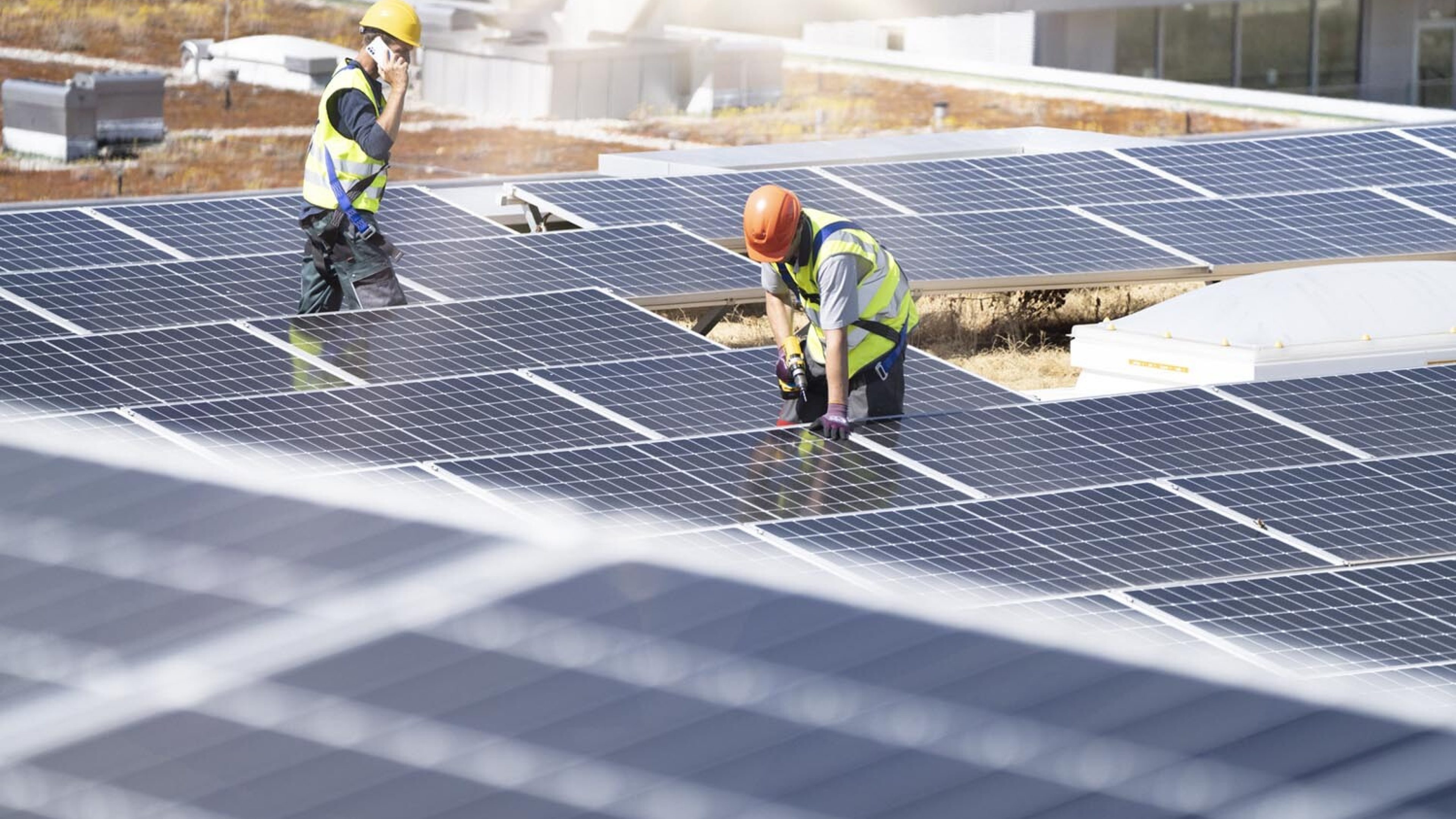
Modular construction
Would you like to explore the topic in more depth? Our Compass Impulse “Modular Construction: The Infrastructure Behind Infrastructure” on the Research Hub offers further analysis and additional perspectives. Discover also other interesting editions covering Real Assets topics.