Every day, Cory transforms London's residual waste into enough electricity to power 200 000 homes. But energy generation is only one part of the story. The company is developing new ways to accelerate the transition to a more circular, low-carbon economy. In this interview, we explore how.
The most successful ESG stories are often those where sustainability is embedded directly into the business model. Cory is one such example. It plays a key role in London's waste and energy infrastructure while exploring new opportunities in carbon capture and low-carbon heat. We spoke with Scott Springett, Senior Asset Manager at Swiss Life Asset Managers, about the company's contribution to the circular economy
and the energy transition.
Scott, what happens after London’s waste disappears from sight?
Well, most of us rarely think about what happens to our waste once it has been collected. Yet managing it is an essential part of keeping cities running. Cory provides an essential service that London’s communities, businesses and local authorities depend on every daybut goes largely unnoticed.
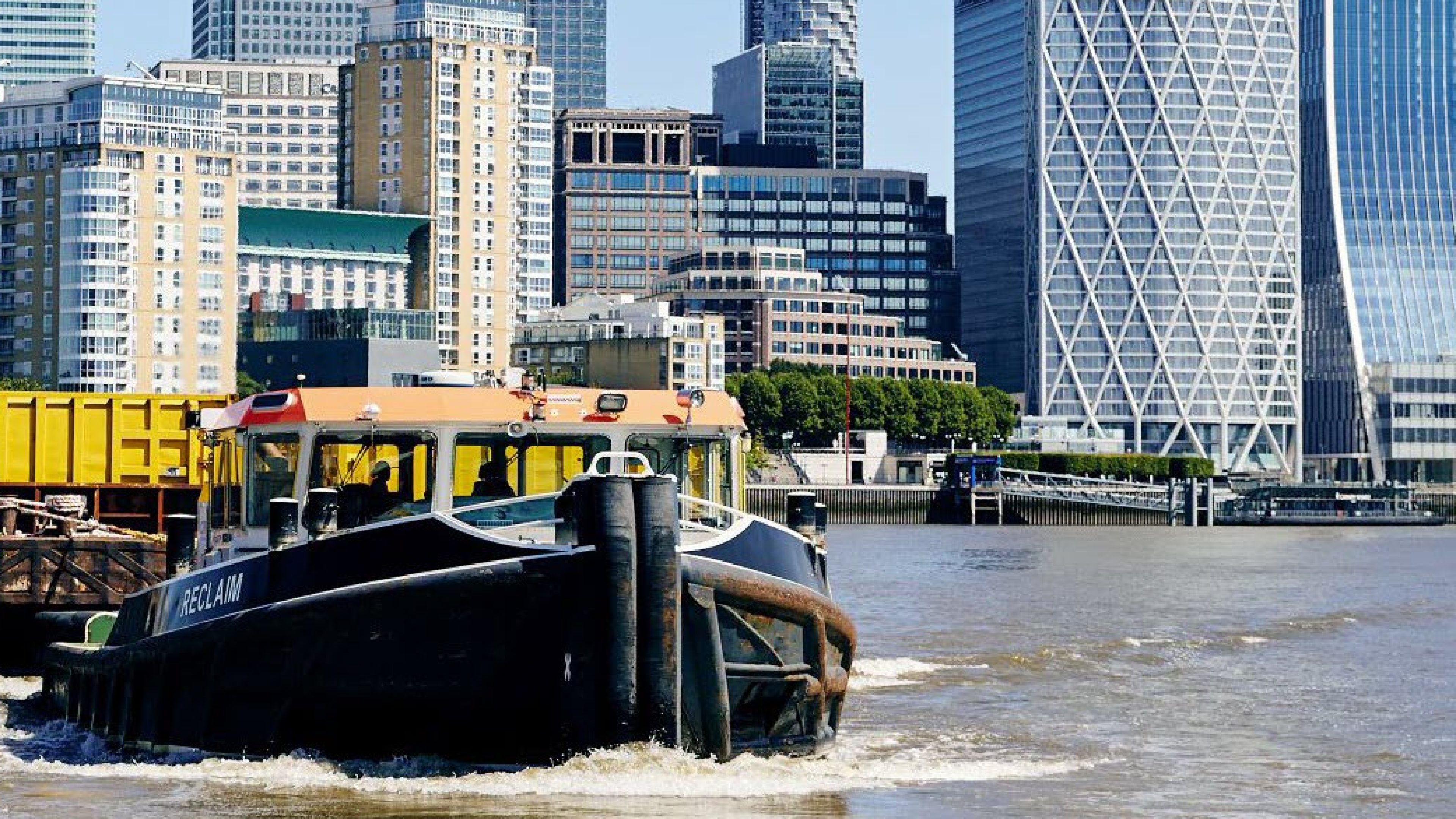
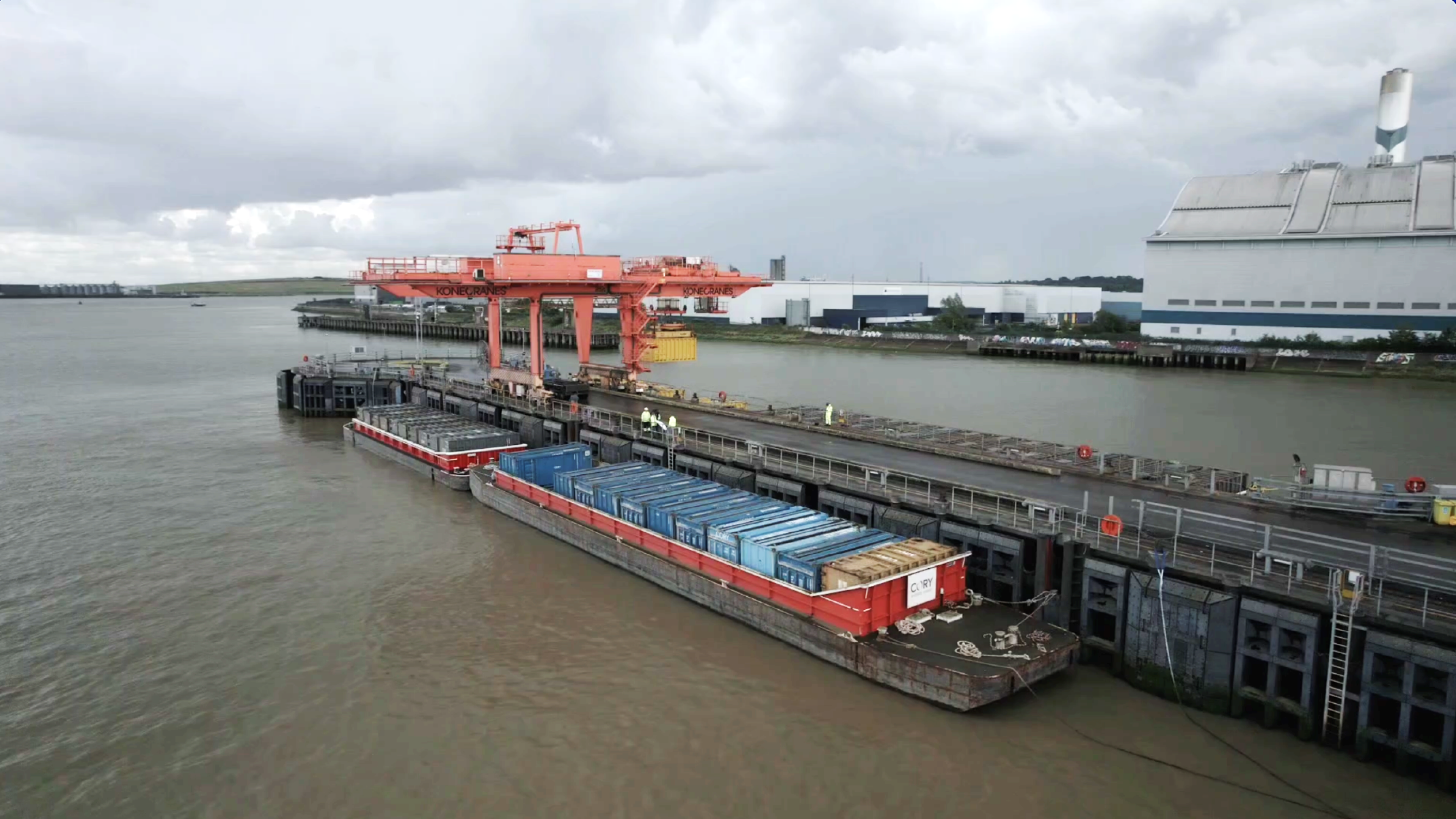
But Cory does much more than collect waste. The company transports it on river barges to facilities outside the city, where it is transformed into energy and a valuable resource. This process generates enough electricity to power 200 000 homes and recovers materials used to build new ones.
So Cory is about much more than waste management?
Absolutely. One of the biggest sustainability challenges facing modern cities is what to do with waste
materials that cannot currently be reused or recycled. While waste prevention and recycling remain the priority, there will continue to be residual materials that require sustainable management. Cory's role is to ensure that these residual materials are not viewed as waste that ends up in a landfill, but as valuable resources. By recovering energy from residual waste, Cory extracts value from materials that would otherwise be lost.
Is this where Cory’s environmental value comes from?
Yes, that’s certainly part of it. What is particularly compelling is that environmental and commercial value creation are closely aligned. The company is not pursuing sustainability as a separate initiative; rather, it is a fundamental part of the value of the business.
Carbon capture gets a lot of attention at the moment. Is it an opportunity to take Cory's environmental impact to the next level?
Yes, it has the potential to do exactly that. The transition to a net-zero economy will require more than renewable electricity alone. It will also require technologies capable of addressing emissions from sectors where alternatives remain limited. And carbon capture has the potential to become one of those enabling technologies for climate mitigation and therefore a form of essential infrastructure.
Why is it such a natural next step for Cory?
Because it builds on the company's existing role in resource recovery and environmental infrastructure. By integrating carbon capture into its operations, Cory can significantly reduce London's emissions associated with treating its residual waste while continuing to provide an essential service.
What makes Cory’s approach stand out?
Cory’s carbon capture plans are particularly interesting because of their potential impact. From 2030, when the project is expected to be operational, Cory’s scheme could be capturing 1.4 million tonnes of CO2 each year. Furthermore, the carbon captured from renewable sources can be used to offset other emissions, making the facility net-carbon-negative.
Projects of this scale inevitably come with challenges. What are the biggest hurdles for Cory and investors?
Delivering a project of this size requires significant investment, long-term planning and close collaboration across a wide range of stakeholders, including regulators, local authorities and local communities. However, Cory benefits from a strong operational track record, established partnerships and infrastructure that is already critical to London's waste management system, which provides a solid foundation for the next phase of development.
What excites you beyond carbon capture?
While carbon capture attracts significant attention, one of the most exciting opportunities at Cory is making use of the significant heat generated by its operations. Cory has the potential to produce around 2.4 TWh of heat each year, enough to heat 300 000 London homes.
And how is Cory helping to unlock the next generation of low-carbon heat solutions?
Cory has a number of plans to bring this opportunity to life. One option is supplying heat to a local district heating network at Thamesmead and Barking Riverside, one of London's largest regeneration projects. The company is also working with multiple stakeholders, including the City of London, Greenwich and the Mayor's Office to develop a 23km strategic heat main. This could potentially supply low-carbon heat to customers whose waste Cory has processed to produce the heat, like the City of London itself. That is a great example of the circular economy in action. These initiatives demonstrate how infrastructure can continuously evolve.
What makes you optimistic about Cory’s long-term future?
For us, Cory represents the type of infrastructure investment we seek on behalf of our clients: investing into
essential assets that solve real-world challenges while creating resilient long-term value. Its investment case is not only rooted in the infrastructure Cory operates today, but also in its ability to continuously innovate and adapt to a more resource-efficient future. As cities strive to improve circularity, energy security and environmental performance, we believe Cory is well positioned to deliver resilient long-term value for communities, customers and investors.

Our ESG strategy
Our approach to sustainable finance goes beyond complying with current standards. Where possible, we aim to deliver tangible value through proprietary data insights, measurable climate actions and active engagement.