
The economy finds itself in a new macroeconomic environment with higher long-term interest rates. In these circumstances, real estate can offer protection against inflation. Which sectors are particularly suitable for this? An assessment of the current situation with a view to further developments in the Swiss and European real estate market.
The macroeconomic and demographic conditions in Switzerland are favourable and can therefore have a stabilising effect on the real estate market. Long-term mortgage rates in the first half of 2024 have also been below those of the previous year. With the prospect of further interest rate cuts by the Swiss National Bank in the course of the year, borrowing costs for project developments should also become lower again. Further interest rate cuts by European central banks are also to be expected this year, although we do not expect key interest rates to return to their pre-pandemic lows. Inflation will fall, but not far below central banks’ target, which is why interest rates need to remain sufficiently restrictive. Swiss Life Asset Managers believes the economy to be in a new macroeconomic environment with higher long-term interest rates. In these circumstances, real estate at its core offers an effective hedge against inflation, as commercial leases tend to be linked to indices. Consequently, we expect property to remain in favour with investors, yet performance will be increasingly driven by earnings growth.
Number of transactions is decreasing
At present, however, the transaction curve in Switzerland is showing a downward trend. According to Real Capital Analytics (RCA), the moving annual total of transaction volumes was also low in the first quarter of 2024 and is 65% below the average of the past four years. Construction activity is also continuing its downward trend, reaching a record low in the first quarter of 2024. Trading and construction activity are currently heavily influenced by selective investors, and the construction industry is facing difficulties in raising capital. This hampers the supply of modern properties and makes existing assets a scarce commodity. Falling interest rate expectations are providing some momentum. Both nominal interest on government bonds and mortgage interest rates have fallen significantly since their 2022 peaks, but over the medium term will remain clearly above what we have seen in recent years.
Office space at prime locations in demand
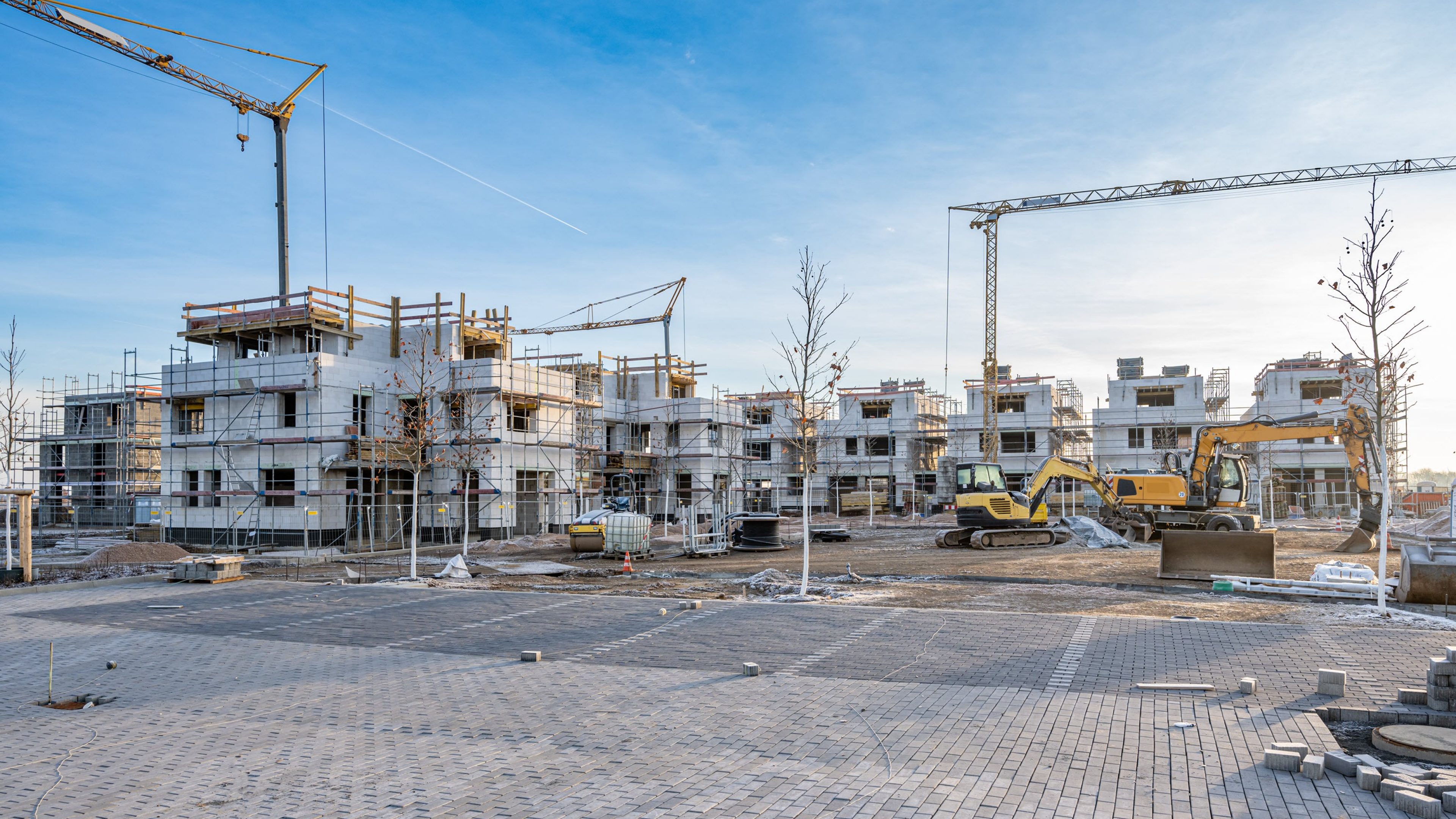
Given this market environment, the question arises as to the right time to return to or start a construction project. The premium between nominal interest and prime real estate yields is currently increasing and should already be around one percentage point for a large share of investment opportunities. With mortgage interest rates of around 2% and more stable construction costs, many projects are also becoming profitable again. The prerequisite is of course long-term demand for space by tenants. This still seems to be the case in many places and is particularly true for prime locations.
The latest data confirms that commercial space in prime locations is the most sought-after, although some companies are planning to reduce their office space. According to CBRE, the availability rate increased to 9.1% in suburbs in the first quarter of 2024, while in central business districts (CBDs), it was comparatively low at 4.0%. Asking rents vary in line with this: recent figures from Wüest Partner show a decline in asking rents for office space in Switzerland. At the same time, they are rising in the top markets of Zurich and Geneva and remain slightly above pre-pandemic levels in the other larger cities.
High demand for rental apartments, industrial and logistics space
Two bright spots in the European real estate market are rental apartments and industrial and logistics space. Geopolitical events have exposed weaknesses in supply chains. As a result, businesses will need more industrial space for warehousing and distribution to protect themselves against further bottlenecks and to meet ever-increasing consumer expectations for goods to be delivered quickly. Over the longer term, e commerce growth of 6–10% by 2028 in key European markets (PMA) will support demand, especially for urban logistics and larger units along transport routes. Swiss Life Asset Managers is convinced that rental growth in the industrial and logistics sector will clearly exceed the rate of inflation over the forecast period.
In view of the residential tenant base, this sector is less sensitive to economic downturns than the commercial property sector. As a result, Swiss Life Asset Managers has a positive view of residential property, mainly due to the chronic undersupply in European markets. In addition, the recent interest rate hikes have had an impact on mortgage rates, leading to a loss of purchasing power and exacerbating the already serious imbalance between supply and demand. Over the longer term, demand for rental space (single- and multi- family homes, student residences, co-living etc.) will be supported by favourable demographic changes such as migration and population growth.