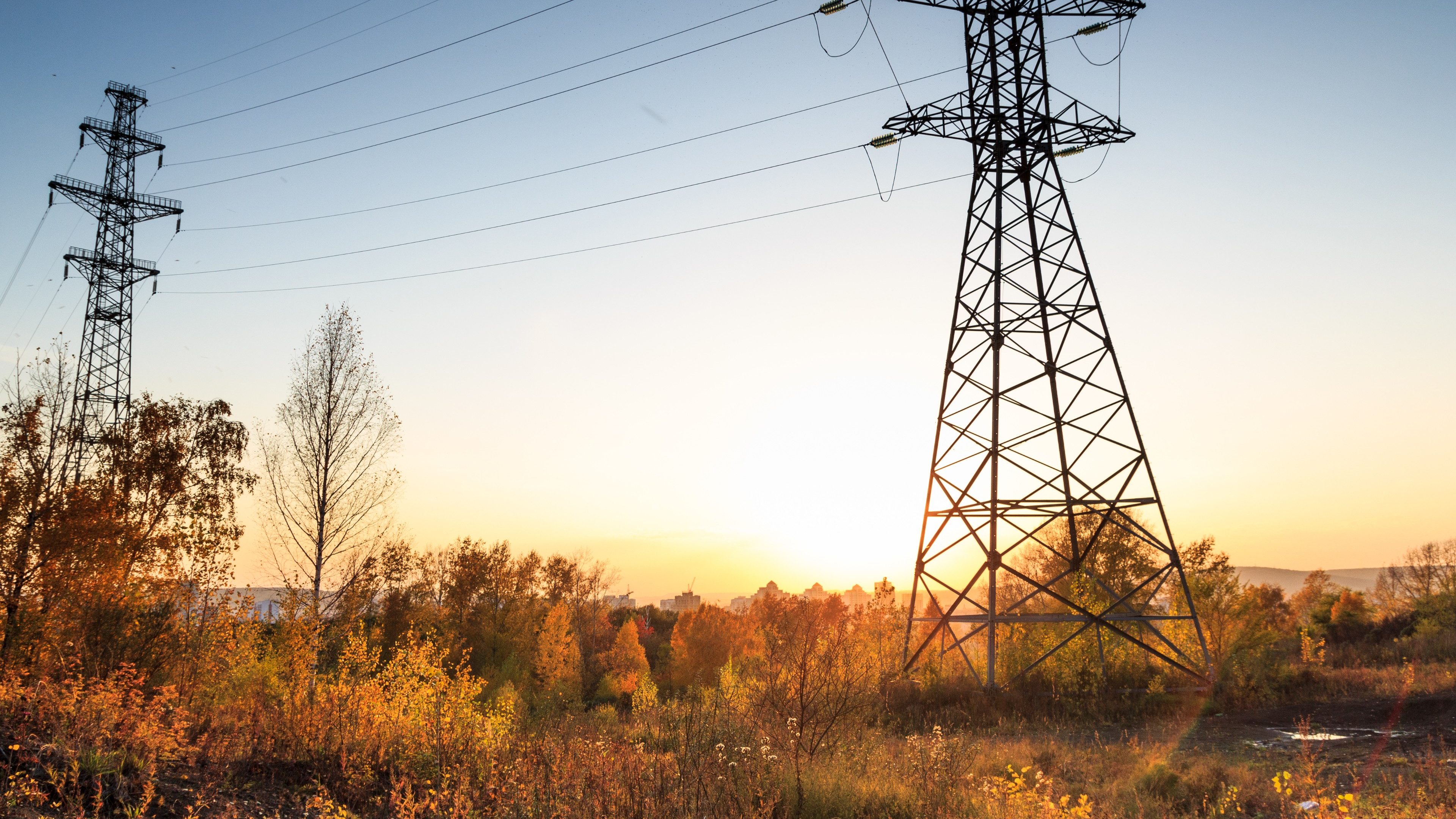
Focus United Kingdom: As more companies integrate technology into the way they work, their power demand rises, and this impacts which buildings they choose to occupy.

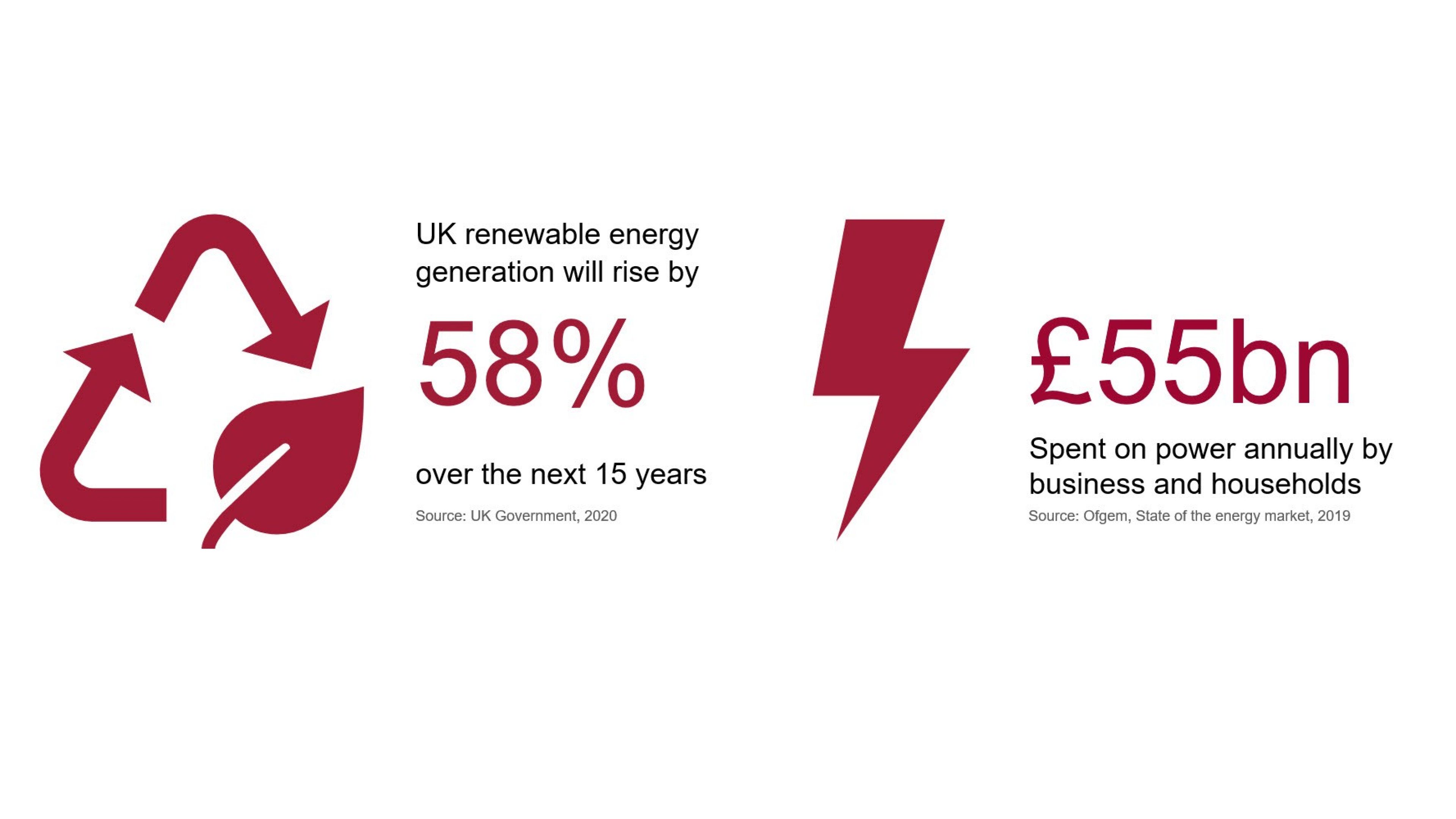
Power is becoming a determining locational driver. UK businesses and households spend some £55bn on power annually1 . As more companies integrate technology into the way they work, their power demand rises, and this impacts which buildings they choose to occupy.

Power generation throughout the UK is transitioning to become more sustainable. This is driven by the need to reduce carbon emissions, emphasised by the UK government’s commitment to achieve net-zero greenhouse gas emissions by 2050. At the same time an increased number of extreme weather events brought about by climate change will put power supplies under threat. In August 2019, for example, a lightning strike in Cambridgeshire cut off power to an estimated 936,000 homes.

The vulnerability of power supplies along with the pressing need to supply plentiful, sustainable and resilient energy brings new challenges and opportunities for investors.

1) Ofgem, State of the Market 2019, October 2019
power_EN

First published 2 February 2021 on Mayfair Capital Blog.
Authors: Tom Duncan, Senior Associate - Research, Strategy and Risk, Mayfair Capital &
Fintan English, Research Associate - Research, Strategy and Risk, Mayfair Capital


More interesting articles

Demographic change and shifting care models are reshaping European healthcare real estate.

Real Estate

Healthcare real estate is back – selectively

As Europe’s population ages, the places where care is delivered – medical centres, assisted living communities, and outpatient clinics – are becoming increasingly relevant. Supported by strong demographic demand, healthcare real estate in Europe is regaining momentum through selective, quality-driven investment and a shift toward more flexible care formats.

Read more
Two women with shopping bags in their hands in a shopping centre.

Real Estate

Five theses on the Swiss commercial real estate market

The Swiss market for commercial real estate is stable: central locations remain in demand, the domestic economy is robust, and converted properties open up new opportunities. Despite digitalisation and structural change, there is still demand for high-quality space.

Read more
A man on a construction site with a building plan in his hand.

Real Estate

Circular economy – resource-efficient construction

Sustainability is an integral part of Swiss Life Asset Managers. Decarbonisation plays a key role in this respect. But the focus must stretch beyond operational emissions. The circular economy also includes the grey emissions that are released during the entire life cycle of a building.

Read more