
If a power supply fails for only a few minutes, modern life immediately grinds to a halt. An efficient transmission grid is vital in this regard, making investments in the supporting infrastructure increasingly important. Transmission system operators offer institutional investors regulated cash flows, high visibility and long-term growth potential in a systemically important market.
The energy transition, increasing electrification and the growing share of renewable energies are significantly increasing the pressure placed on electricity grids. In particular, transporting electricity from regions with strong winds to major consumption centres as well as decentralised generation of renewable energies make an efficient grid infrastructure a key component of any future energy supply.
Transmission system operators (TSOs) therefore play a key role in long-term structural expansion. Grid infrastructure combines the stability of regulated infrastructure with a monopoly position, plannable expansion programmes and a key role in ensuring security of supply.
What makes TSOs attractive for investors
In Germany, four transmission system operators operate the extra-high-voltage grid: 50Hertz, Amprion, TenneT Germany and TransnetBW. They are responsible for secure trans-regional electricity transport, system stability, congestion management and international electricity exchange. The necessary grid expansion will be coordinated through long-term planning and regulation processes together with the Bundesnetzagentur.
Germany’s transmission grid is divided into four zones
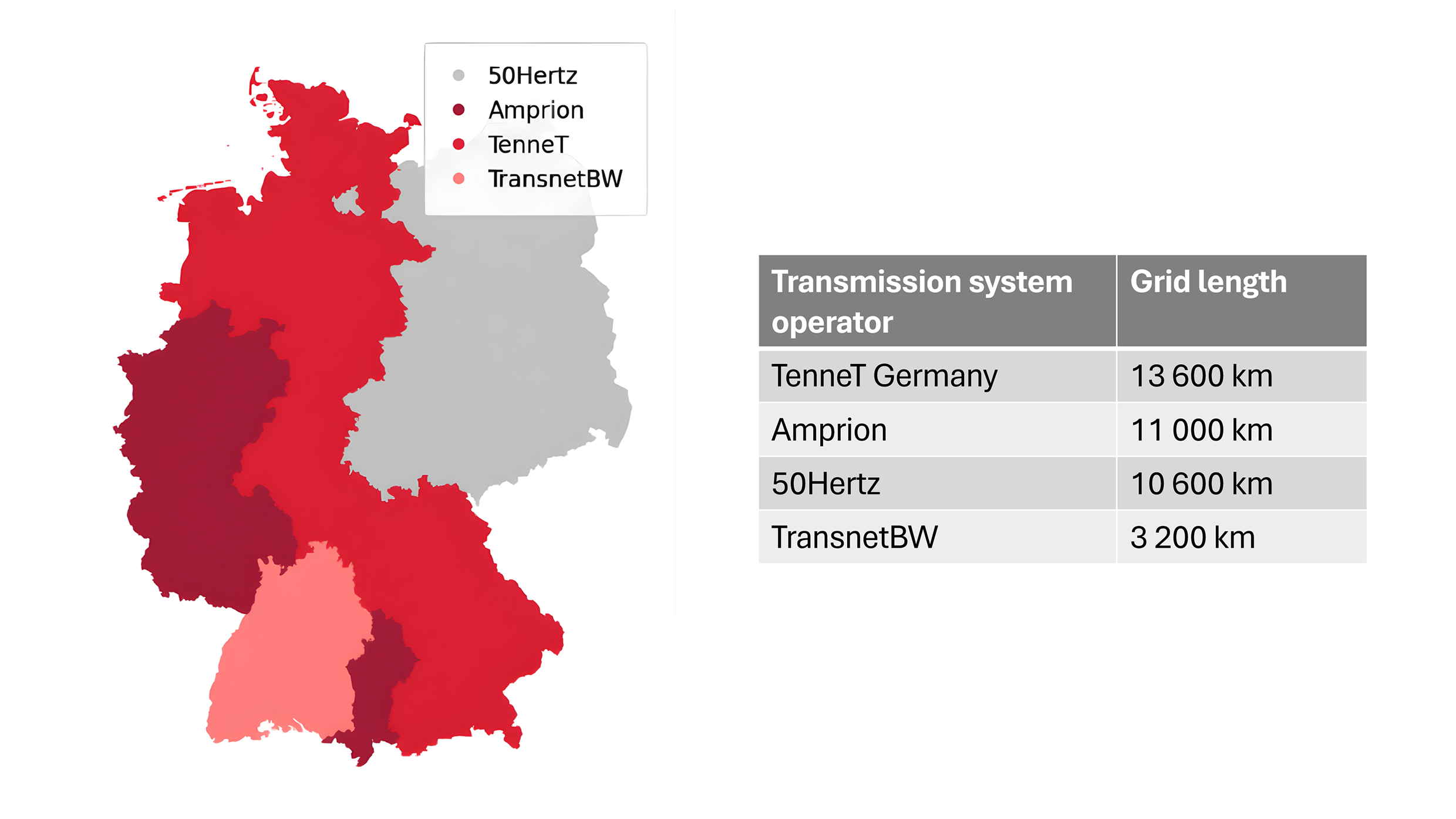
Source: Swiss Life Assets Managers research, 2026
The business model is clearly regulated. Transmission system operators are “natural” monopolies. Their revenues are not generated through free competition but are based on a regulatory remuneration model. This provides a high level of planning security with regard to both company earnings and the return on investment.
It is precisely this combination of regulation, systemic relevance and visibility of future cash flows that makes transmission system operators attractive to long-term investors:
- Predictable cash flows
Regulated revenue ceilings, a fixed rate of return on invested capital and long-term investment cycles result in stable and predictable cash flows. Consequently, the segment is particularly attractive to investors, such as insurance companies and pension funds, who value long-term stability and reliable returns. - Low default risks
Transmission grids are classified as critical infrastructure and are systemically relevant. As such, network charges are borne by all electricity consumers connected to the grid. - Structural growth
To expand electricity grids, significant investment is required over many years. This gives rise to a long-term investment universe in an essential infrastructure segment with high economic relevance.
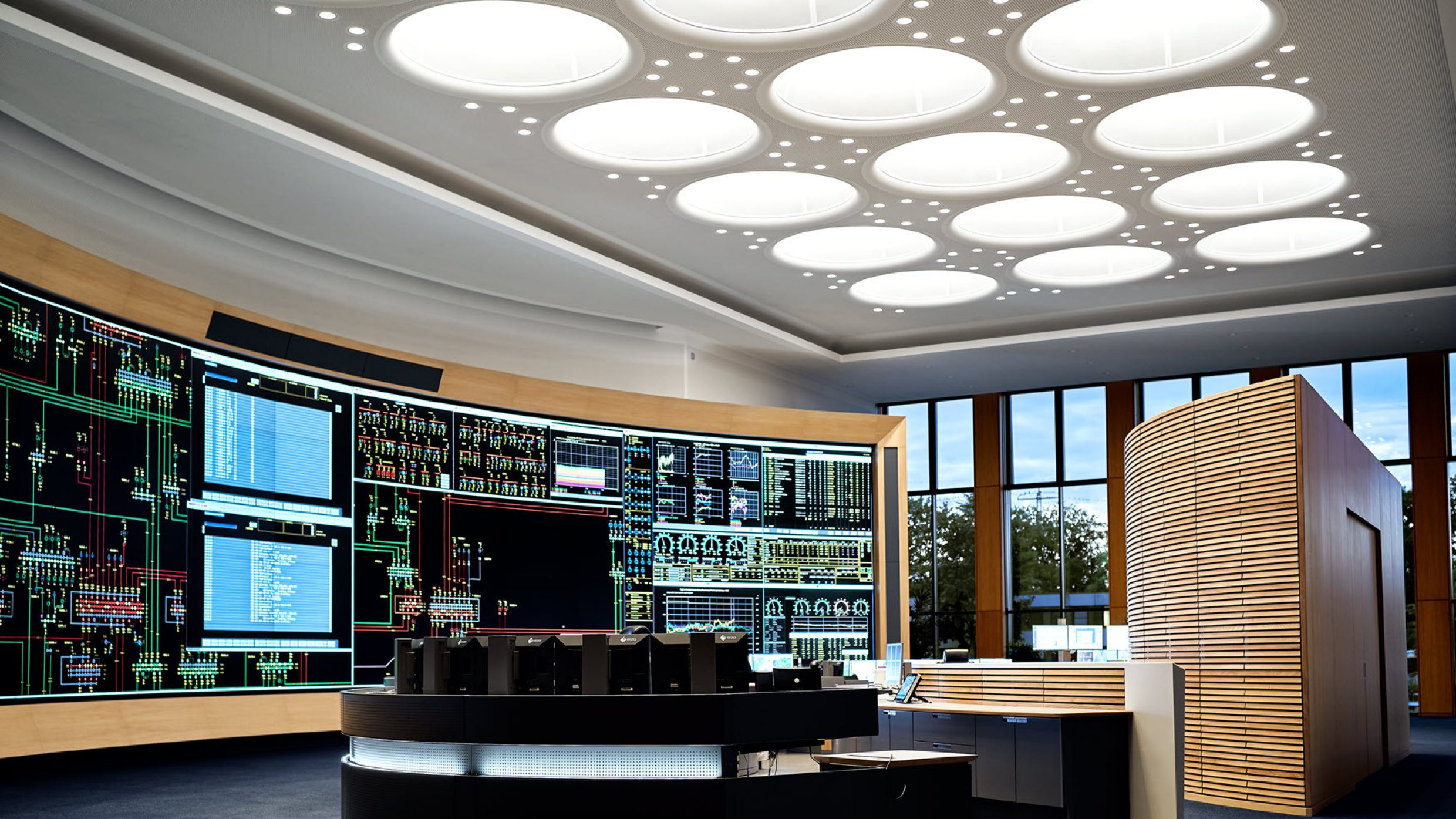
Insight into Europe’s largest control center: In Amprion’s grid control room, the electricity supply for millions of people is monitored and managed. (© Amprion [email protected])
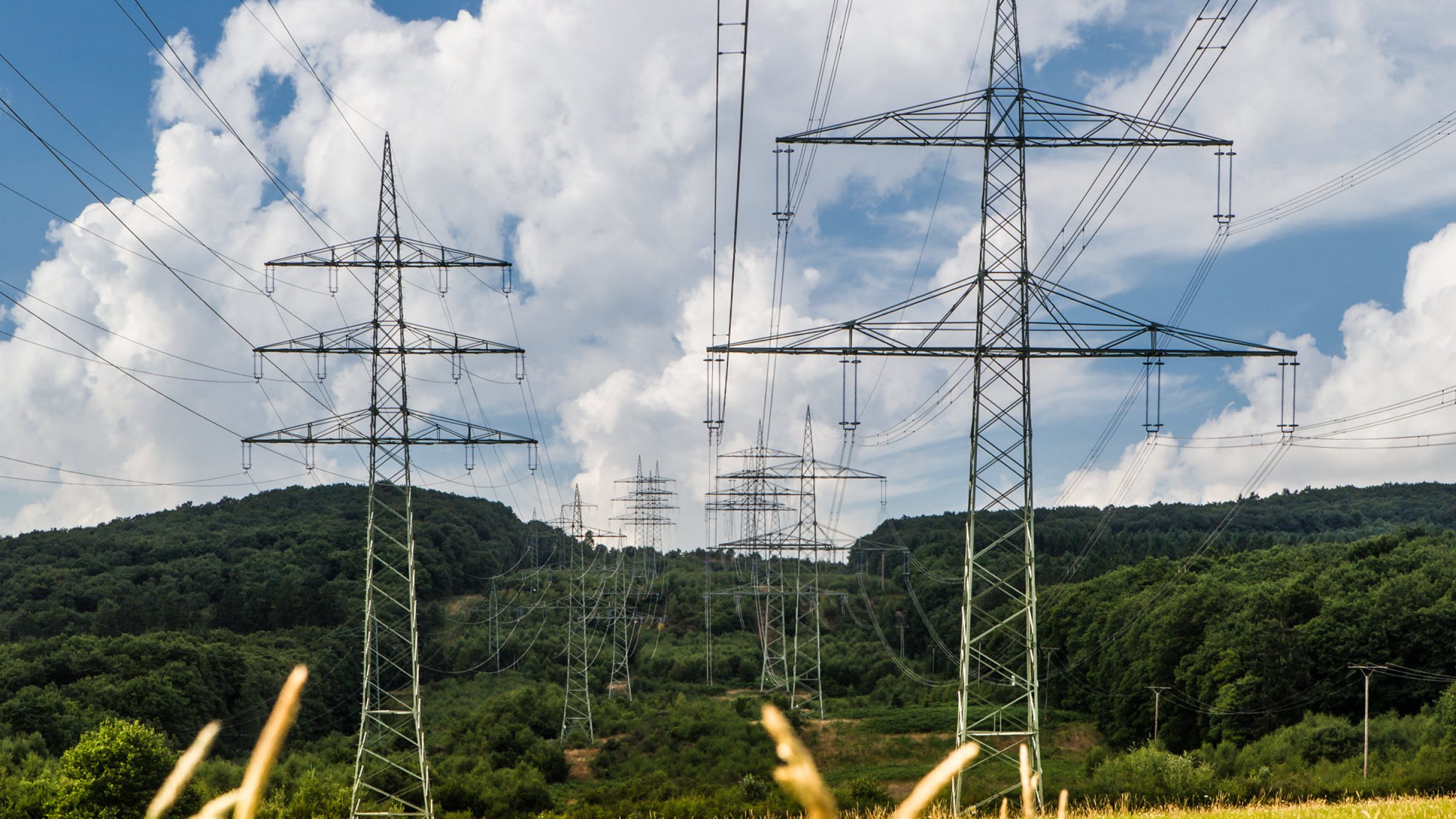
Extra-high-voltage transmission lines in Germany (© Amprion GmbH)
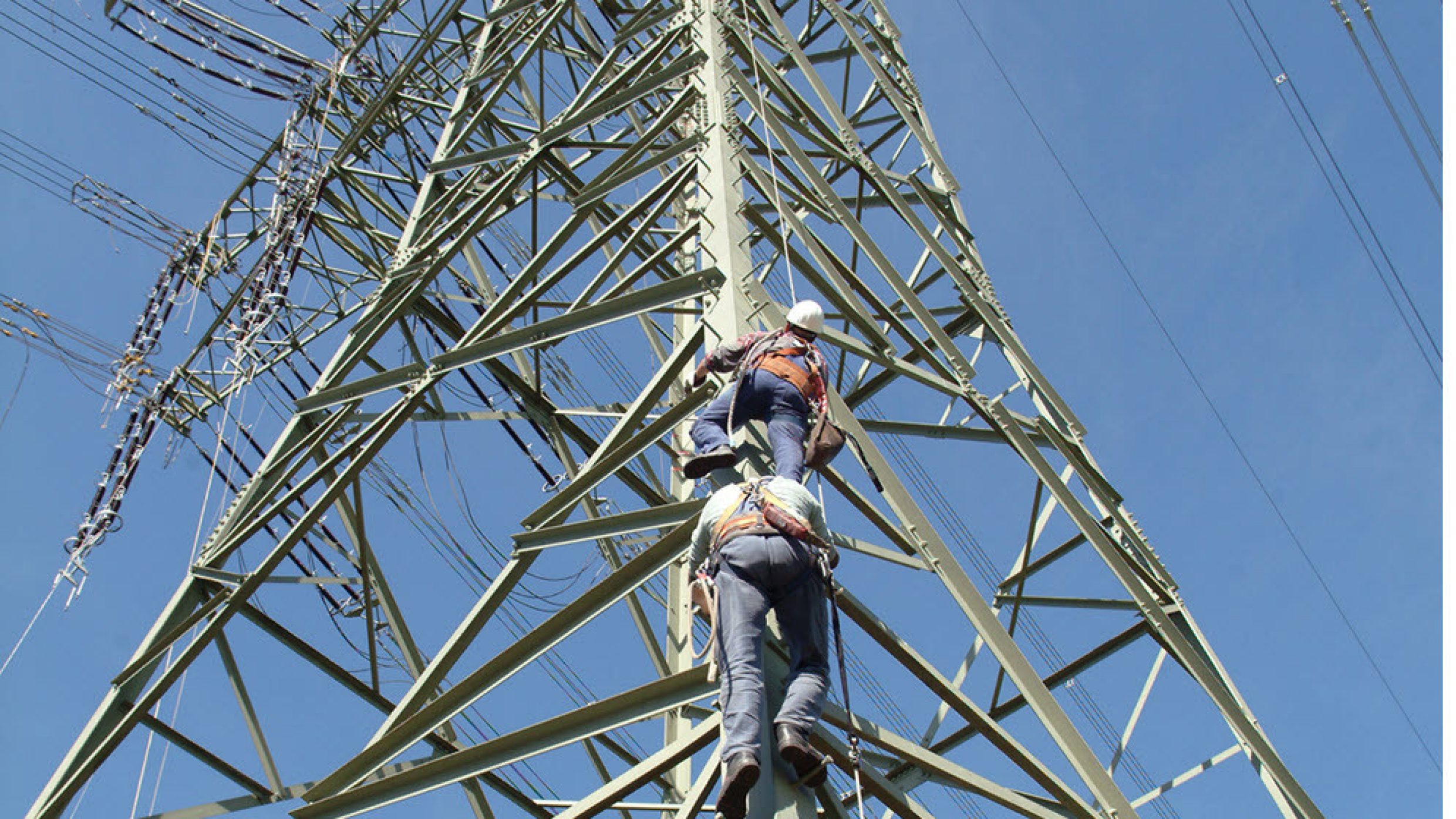
Workers climbing an extra‑high‑voltage pylon during maintenance work. (© Amprion GmbH)
Grid expansion and regulatory framework provide tailwind
With the growth of renewable energies, the demand for electricity increases as well as the need for grid expansion, reinforcement and flexibility options. For investors, this means that transmission infrastructure is not only a defensive option but also offers growth through long-term expansion programmes.
At the same time, the regulatory framework is evolving. A more transparent cost of capital approach and clear investment incentives can make this segment even more appealing. In Germany, transmission system operators may be privately owned. Nevertheless, their role in ensuring security of supply and economic stability remains so crucial that they are considered strategically important infrastructure.
In Switzerland, too, the operation and expansion of the grid infrastructure is closely regulated politically, albeit with one key difference from the German market: the transmission grid is not privately owned. Since 2013, Swissgrid has been the legally prescribed owner of the entire extra-high-voltage grid; according to the Electricity Supply Act, the national grid company must be largely controlled by cantons and municipalities.
Anchor of stability for long-term portfolios
TSOs combine several characteristics that are particularly attractive to long-term investors: regulated and predictable returns with high stability, monopoly status, guaranteed return on investments and structural growth supported by extensive grid expansion.
This makes investments in TSOs one of the most stable core components in terms of real assets. In short, grid infrastructure investments provide access to an essential, regulated infrastructure segment with long-term growth perspectives and attractive risk-return profile for institutional portfolios.
Swiss Life Asset Managers has a long investment horizon in infrastructure and combines industry knowledge with reliability and sustainability.